

 India
India  UK
UK  UAE-English

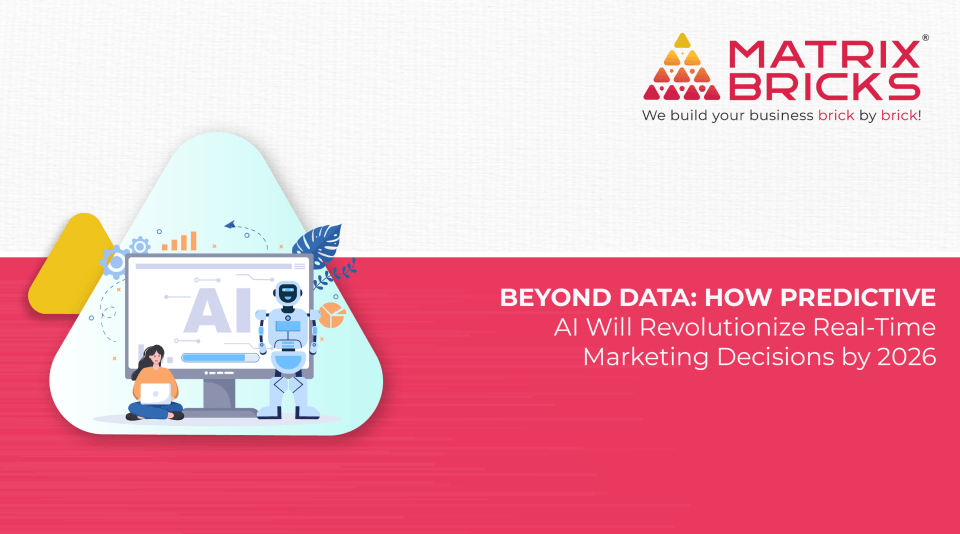
In the early days of digital marketing, most brands were content simply tracking what happened yesterday. They counted clicks, measured impressions and studied dashboards filled with charts about past performance. But today, the rules of marketing are shifting, and by 2026, they will move even faster.
We are entering a world where marketers will not just interpret numbers; they will anticipate them. A world powered by predictive analytics marketing, AI-driven insights, and real-time marketing optimisation that allows brands to act instantly, not eventually.
This is where Predictive Marketing 2.0 begins, the evolution from understanding data to letting intelligent systems decide the best action the moment it matters. With data-driven decision-making and advanced marketing automation, 2026 trends are reshaping the way businesses operate, and the competitive edge will bring companies that not only adopt AI but also allow it to execute autonomously
By 2026, predictive technology will not just be another analytics tool in the marketing stack; it will become the decision engine behind every campaign, every interaction, and every customer moment.
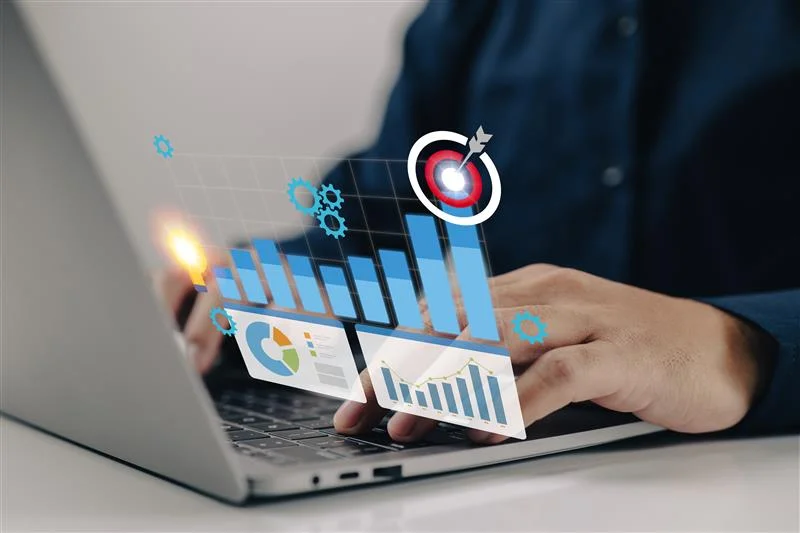
The Shift from Descriptive to Predictive Marketing
For years, marketers have relied on descriptive analytics and dashboards that explained what happened, why it happened, and where the results deviated from expectations. Useful, yes. But by the time the insights arrived, the audience had already moved on.
Today, predictive analytics marketing is rewriting that timeline.
Predictive AI uses machine learning to detect patterns in large datasets, forecast likely outcomes, and recommend the next best move — often before a human even thinks to ask the question.
This transition marks the key difference between “looking back” and “looking ahead.”
How the Shift is Changing Marketing Forever
- Predictive AI no longer waits for data to settle; it responds to evolving behaviour in real time, ensuring brands stay ahead of customer expectations.
- Marketers are moving from reactive decision-making to proactive strategies, anticipating future trends, customer actions, and campaign shifts with high accuracy.
This evolution aligns with the major 2026 trend: the rise of autonomous decision-making in marketing, a natural extension of AI-driven insights that can trigger campaign adjustments without human intervention.
Why Predictive Marketing Matters Now More Than Ever
With audiences becoming increasingly impatient, marketing messages must be timely, contextual, and personalised. Predictive AI solves this by ensuring that no opportunity is missed and no customer signal is ignored.
This creates a seamless path for brand communication, one where every touchpoint feels intentional because it is.
How Predictive AI Transforms Campaign Optimisation
Campaign optimisation used to be a manual affair. A/B tests. Daily tweaks—mid-campaign adjustment. Endless spreadsheets.
But predictive AI is transforming optimisation into something fluid, dynamic, and self-improving. It allows marketers to launch campaigns that learn, adapt, and optimise in real time without constant monitoring.
At the centre of this transformation is real-time marketing optimisation, powered by AI-driven insights that continuously evaluate performance and automatically adjust messages, audiences, and channels.
Key Transformations Unlocked by Predictive AI
- AI identifies micro-shifts in customer behaviour and instantly adjusts targeting, ensuring campaigns remain relevant even as audience intent changes.
- Predictive systems redistribute budget across platforms and creatives based on performance probabilities, not assumptions or outdated metrics.
This means campaigns no longer rely on what worked last week; they rely on what’s likely to work in the next few minutes.
From Manual Adjustments to Intelligent Automation
Predictive AI integrates with marketing automation tools to ensure decisions are made faster than humans can manually respond. This is core to the rise of marketing automation 2026, where campaigns operate more autonomously.
With predictive intelligence:
- Campaigns can scale automatically when they detect increased demand or positive engagement signals.
- Underperforming ads can be paused instantly to prevent them from wasting additional budget or impressions.
This level of automation does not diminish human creativity; it amplifies it by removing repetitive tasks and allowing marketers to focus on strategy, storytelling, and customer experience.
Real-Time Personalisation: From Insight to Action
Personalisation is no longer a “nice to have”. In 2026, it will be the baseline expectation for every customer interaction. But what truly elevates personalisation is the shift from reactive to real-time.
Predictive AI doesn’t just analyse what customers have done, it anticipates what they are likely to do next. This is the essence of real-time personalisation, driven by predictive analytics, marketing, and intelligent, data-driven decision-making.
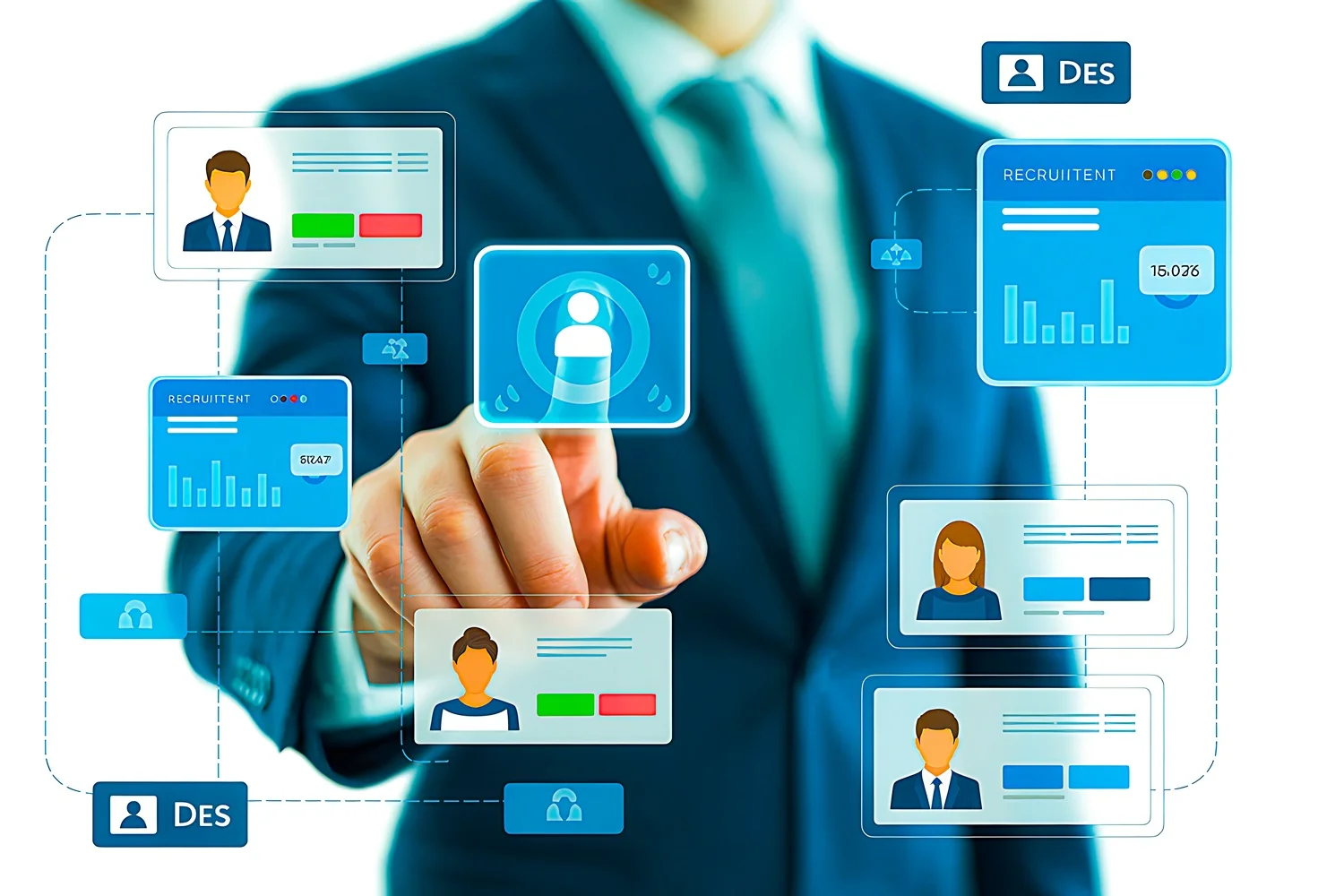
How Real-Time Personalisation Works in 2026
Imagine a customer scrolling through a product page. Predictive AI instantly identifies their intent signals and offers personalised incentives, before they even consider leaving the page.
Or picture an email campaign that automatically reshuffles its content based on the recipient’s browsing patterns, purchase history, and predicted interests.
These real-time actions create frictionless experiences that feel intuitive, natural, and helpful; all made possible through AI-driven insights.
Impact of Predictive AI on Personalisation
- AI analyses thousands of behavioural signals simultaneously to deliver the most relevant message, offer, or recommendation the moment a customer interacts.
- Predictive models ensure that personalisation scales across every channel: email, website, apps, and ads, with unmatched speed and accuracy.
This results in a customer journey that adapts dynamically, shifting based on predicted preferences rather than generic rules.
The Power of Contextual, Instant Decisions
What makes real-time personalisation so powerful is its connection to the moment, not just the data.
Predictive AI creates:
- Personalised landing pages aligned with the customer’s purchase likelihood.
- Special offers triggered by predicted drop-off points.
- Recommendations tailored to real-time browsing behaviour.
The outcome? Higher engagement, higher conversions, and an experience customers remember.
Measuring the ROI of Predictive Intelligence
As predictive AI becomes central to real-time marketing decisions, businesses need a clear framework to measure ROI. Unlike traditional metrics, which focus mostly on historical performance, predictive intelligence requires forward-looking measurement.
The essence of ROI in predictive marketing comes down to accuracy, speed, efficiency, and improved customer value.
Core ROI Indicators for Predictive AI
- Campaign efficiency improves as AI reduces wasted ad spend through smarter audience targeting and continuous optimisation.
- Customer lifetime value increases as predictive personalisation deepens engagement, strengthens loyalty, and boosts long-term revenue.
But ROI is not just financial; it is operational, experimental, and strategic.
Why Predictive ROI matters in 2026
With marketing automation 2026 becoming the norm, businesses must evaluate how effectively AI contributes to decision-making and results.
Predictive ROI helps organisations:
- Identify which AI-driven insights deliver the strongest performance outcomes.
- Understand how much time, cost, and effort are saved due to automated decision processes.
- Quantify the competitive advantage achieved through real-time marketing optimisation.
Measuring Predictive Marketing ROI
| Metric | What It Measures | Why It Matters in 2026 |
| Predictive Accuracy | Accuracy of forecasts and decision outputs | Determines the reliability of AI-driven insights |
| Real-Time Response Rate | Speed of automated adjustments | Reflects the ability to act instantly during critical customer moments |
| Cost Efficiency | Reduction in wasted spend | Shows improved budget allocation through predictive analytics marketing |
| Customer Lifetime Value | Net profit per customer over time | Reflects the long-term success of personalisation and loyalty strategies |
| Engagement Lift | Increase in clicks, interactions, and behaviour depth | Indicates the impact of real-time personalisation |
| Automation Impact | Reduction in manual workload | Measures operational efficiency achieved through marketing automation in 2026 |
Bringing It All Together: Predictive Marketing 2.0
Predictive Marketing 2.0 is not just an upgrade; it is a transformation of how brands think, plan, and act.
It combines:
- Predictive analytics marketing
- AI-driven insights
- Real-time marketing optimisation
- Data-driven decision-making
- Next-gen marketing automation 2026
Together, these systems form a marketing ecosystem that is always learning, always adapting, and always improving.
This is the future of marketing, where decisions are not delayed, opportunities are not missed, and customer moments are not wasted.
In 2026, marketers who embrace predictive intelligence will move beyond dashboards and start operating with dynamic decision engines that work at the speed of the customer. And that speed is the only competitive advantage that truly matters.
Unlock AI Predictive Marketing Solutions for Your Brand with Matrix Bricks.
Frequently Asked Questions
1. What is predictive AI in marketing?
Predictive AI in marketing refers to the use of machine learning and data models to forecast consumer behaviour, campaign performance, and business outcomes before they occur.
It helps brands act proactively rather than reactively.
- Predictive analytics marketing uses data and probabilities to identify what customers are most likely to do next in real-time environments.
- By leveraging AI-driven insights, businesses can personalise content, optimise budgets, and improve performance with greater accuracy.
This makes predictive intelligence essential for real-time marketing optimisation and smart decision-making.
2. How will predictive AI impact real-time marketing in 2026?
Predictive AI will fundamentally reshape real-time decision-making by enabling instant campaign adjustments, personalised recommendations, and automated optimisation.
- With advanced marketing automation 2026 capabilities, AI systems can modify creatives, targeting, and budgets without human intervention.
- This ensures brands respond instantly to evolving audience signals, improving engagement, conversions, and overall performance.
By 2026, predictive analytics marketing will evolve from forecasting to autonomous execution.
3. What are the benefits of using predictive analytics in marketing?
Predictive analytics offers clearer insights, faster decisions, and more targeted campaigns that adapt to customer needs.
- It enhances data-driven decision-making by identifying trends and predicting outcomes before they occur.
- It improves efficiency by reducing wasted ad spend and directing resources to high-probability results.
These benefits make predictive AI crucial for scaling real-time marketing optimisation.
4. How can brands measure the ROI of predictive AI?
ROI is measured through accuracy, performance improvements, automation impact, and long-term customer value.
Predictive AI creates measurable gains that are both financial and operational.
- AI-driven insights reduce time spent on manual optimisation, improving marketing team productivity and efficiency.
- Predictive models boost conversions and engagement by delivering highly personalised experiences based on likely customer behaviour.
A strong ROI reflects how well predictive systems support decision-making, customer satisfaction, and profitability.
5. What industries can benefit the most from predictive marketing?
Nearly every industry can benefit, but sectors with fast-moving consumer behaviour gain the most. This includes retail, e-commerce, financial services, healthcare, travel, and entertainment.
- Predictive analytics marketing helps businesses in these industries anticipate customer needs, seasonal trends, and purchase intent in real time.
- It also powers smarter targeting and personalised experiences that strengthen loyalty and accelerate revenue growth.
Predictive AI is becoming an essential tool regardless of industry size or structure.