

 India
India  UK
UK  UAE-English
Pause for a moment and think about the last piece of content you scrolled past on social media.
Was it real?
Or was it created, enhanced, or entirely fabricated by AI?
Every few weeks, a new AI trend takes over our feeds. One moment: AI headshots make professionals look sharper and more confident. The next is cinematic avatars, hyper-realistic portraits, or historical figures reimagined for the modern world. These tools feel exciting, creative, and, at first glance, harmless. Most of us have experimented with them. Many brands now rely on them to speed up content creation and stay visually competitive.
But here is the uncomfortable truth: few brands stop to consider.
If your audience can no longer tell what is real, how long before they stop trusting what they see?
The same AI tools that elevate creativity can also be used to manipulate reality. Voices can be cloned. Videos can be fabricated. Brand messages can be altered and circulated as fact. In an instant, content that looks authentic can quietly undermine years of credibility.
For brands, this shift creates a new kind of risk. Not loud. Not obvious. But deeply damaging.
Today, businesses are facing a reality where:
- AI-generated content can look more believable than genuine communication
- Deepfakes can impersonate brand leaders and official channels
- Misinformation can spread faster than clarification
- Trust can erode long before a brand even realises there is a problem
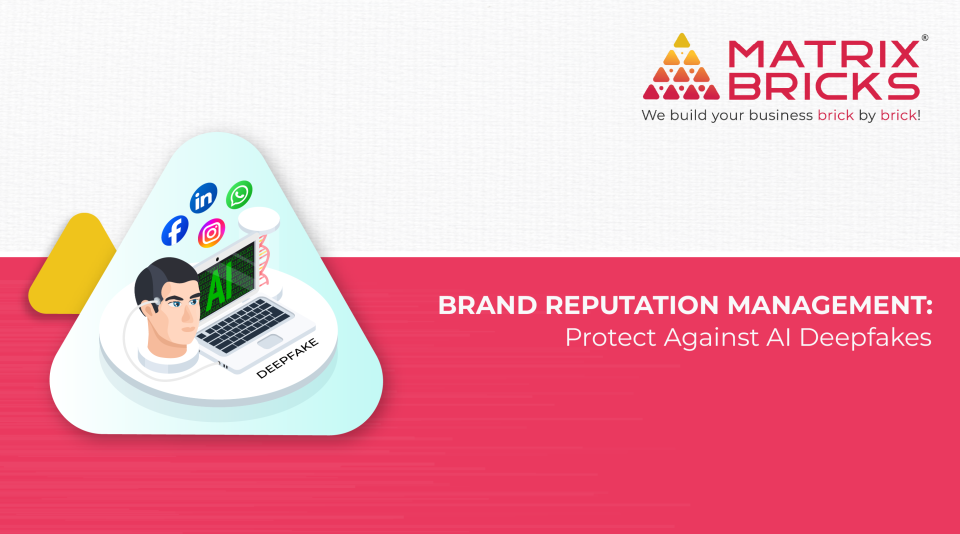
This is why brand reputation management can no longer be treated as a reactive task. In an era shaped by AI and deepfakes on social media, protecting credibility, authenticity, and trust has become a strategic priority.
What once felt like a creative advantage now demands responsibility, vigilance, and expert oversight. And the brands that recognise this early are the ones best positioned to protect their reputation online.
AI and Deepfakes on Social Media: When Innovation Becomes a Threat
Artificial intelligence has transformed how brands communicate. It accelerates ideation, enhances design, improves targeting, and enables content creation at a scale that was once impossible. From product visuals and social media creatives to captions and voiceovers, AI is now deeply embedded in social media management and marketing strategies.
However, as AI content grows more lifelike, it also becomes easier to misuse. AI and deepfakes on social media are no longer rare or experimental. They are increasingly accessible, inexpensive, and capable of causing real harm to brands.
Deepfakes can now:
- Replicate the voice or appearance of brand leaders
- Fabricate product announcements or public statements
- Create false endorsements or misleading testimonials
- Spread misinformation that appears to originate from official brand channels
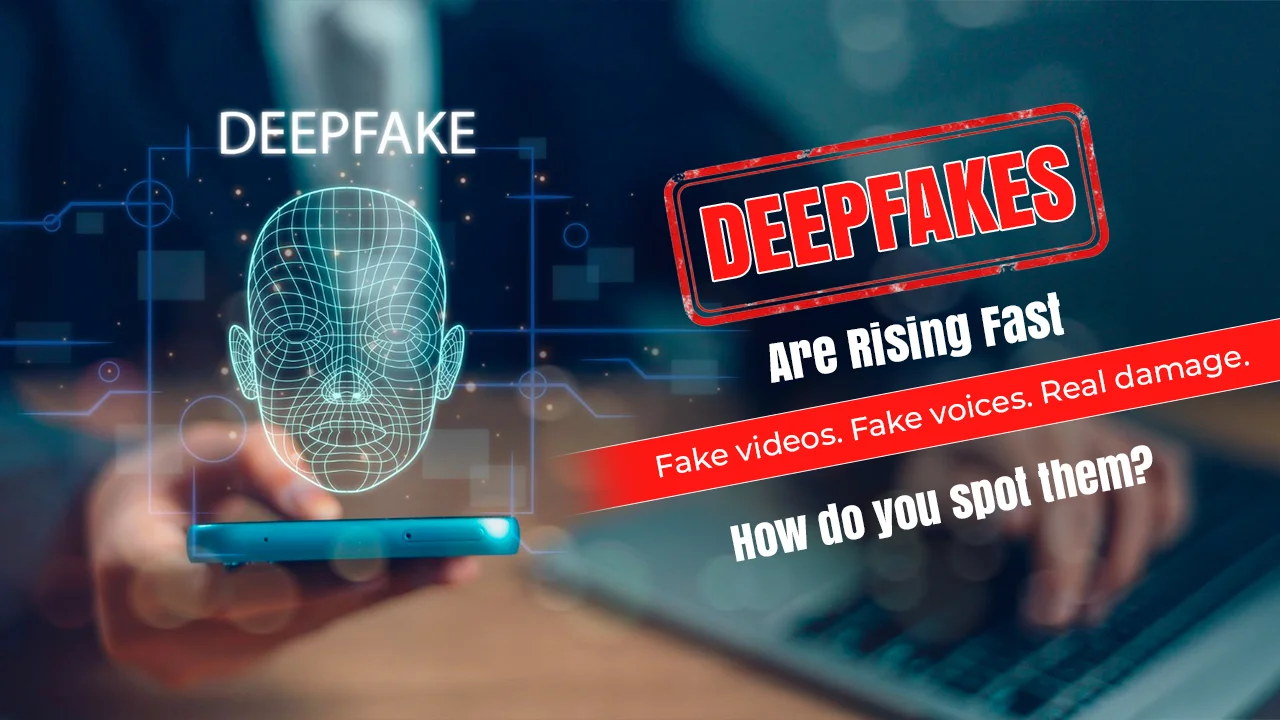
This is how social media deepfakes gain momentum. They look familiar, polished, and believable, which makes audiences less likely to question them. By the time a brand becomes aware of the issue, the content may already have shaped public perception.
The Emotional Cost of Brand Misinformation
Reputation damage is often discussed in terms of metrics such as engagement drops, lost leads, or declining revenue. Yet the deeper impact is emotional. Behind every brand are people who experience the fallout directly. Employees feel uncertainty, leadership teams feel exposed, and customers feel confused or misled.
When misinformation appears to come from a trusted brand, the emotional reaction is immediate. Audiences do not pause to verify before reacting. They respond based on trust, and when that trust is shaken, even briefly, it leaves a lasting impression.
This is why protecting your reputation online cannot be reactive. Once doubt enters the conversation, restoring confidence becomes significantly harder. Proactive reputation protection is no longer optional; it is essential.
The Global Push for Transparency and Trust
As deepfakes become more widespread, governments and digital platforms are beginning to respond. Around the world, regulatory frameworks are emerging that emphasise transparency and accountability in AI-generated content. The intention is not to limit creativity, but to ensure users understand what they are seeing.
These efforts focus on:
- Mandatory disclosure when content is generated or altered using AI
- Platform-led detection and labelling of synthetic media
- Clear indicators for AI-generated text, images, video, and audio
For brands, this shift highlights a critical reality. Transparency is becoming a trust signal. Ethical communication is no longer a compliance issue alone; it is a branding issue. Brands that embrace openness are better positioned to maintain credibility in an AI-driven landscape.
Why Brand Reputation Management is a Strategic Priority
AI presents brands with a double-edged opportunity. On one side, it enables speed, innovation, and creative efficiency. On the other hand, it increases exposure to impersonation, misinformation, and misrepresentation. Any brand with an active digital presence is already part of this ecosystem, regardless of whether it uses AI extensively or not.
This is where brand reputation monitoring becomes vital. Without structured social media brand monitoring, brands often discover threats only after misinformation has spread and conversations have escalated.
The risks of inadequate monitoring include:
- Delayed detection of fake or manipulated content
- Loss of control over brand narratives
- Increased audience scepticism
- Long-term erosion of credibility
In an environment where perception spreads faster than clarification, early awareness is everything.
Why DIY Monitoring No Longer Protects Brands
Many businesses still rely on manual checks, basic alerts, or occasional reviews to monitor their social presence. While this may have been sufficient in the past, it is no longer effective against AI-driven threats. Deepfake content can circulate at any time, across multiple platforms, and often appears more polished than genuine posts.
This is why working with a professional social media monitoring agency has become increasingly important. Modern brand reputation management requires constant vigilance, rapid response, and informed decision-making.
Professional monitoring enables brands to:
- Detect emerging threats early
- Respond consistently and confidently
- Minimise the spread of misinformation
- Maintain audience trust during uncertainty
How Professional Social Media Brand Monitoring Protects Your Reputation
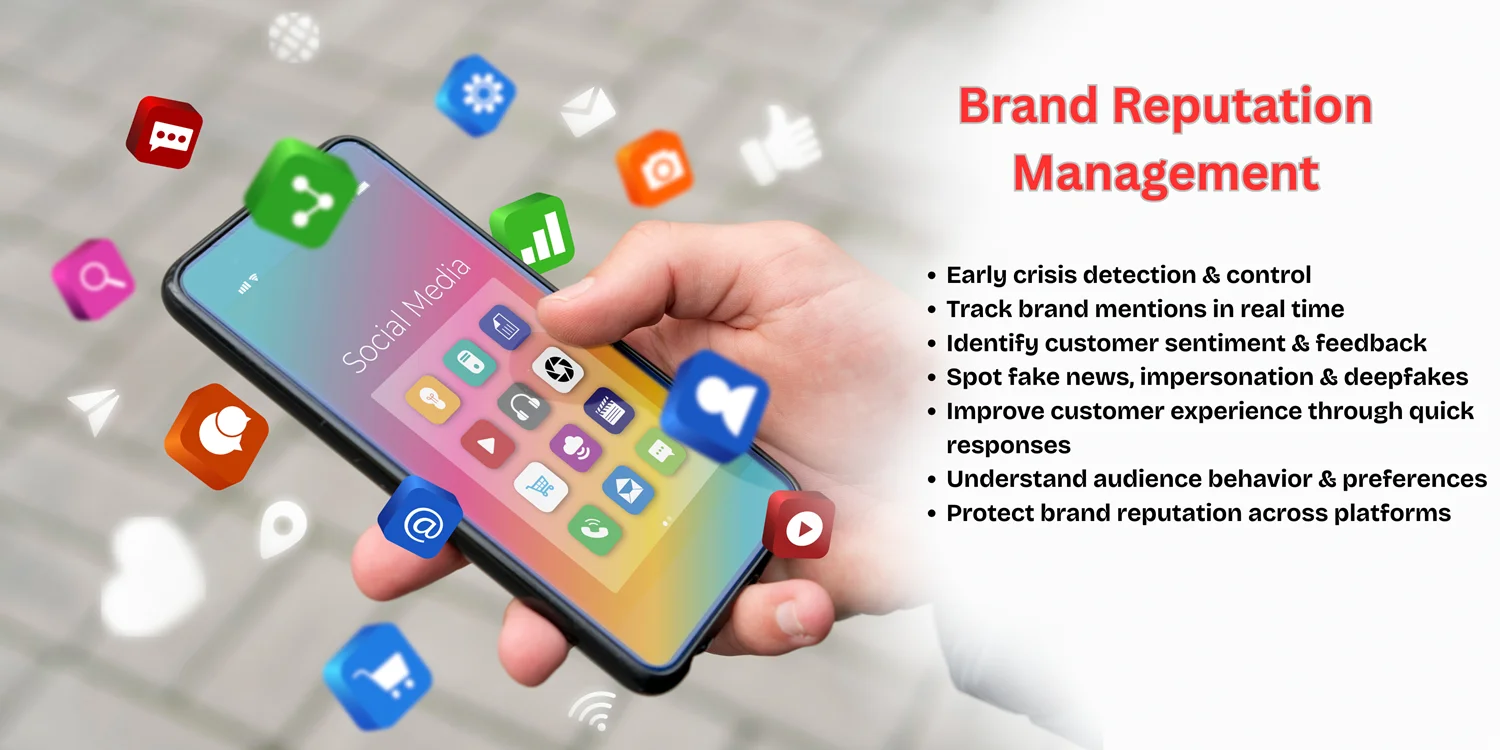
Effective protection is not about reacting to crises, but preventing them from escalating. Professional social media brand monitoring combines technology with human expertise to safeguard brand identity.
A comprehensive approach includes:
- Real-time tracking of brand mentions and related keywords
- Identification of impersonation attempts and manipulated content
- Clear crisis response protocols for rapid action
- Consistent, authentic brand messaging across platforms
- Direct coordination with social platforms to remove harmful content
This structured approach ensures brands remain in control, even when facing complex digital threats.
AI Cybersecurity Threats and Reputation Risk
While AI cybersecurity threats are often discussed in technical contexts, their reputational implications are just as significant. A deepfake does not need to breach systems or steal data to cause harm. It simply needs to appear credible. This makes reputation protection an essential part of a broader digital risk strategy.
Brands that ignore this connection risk addressing problems only after damage has already occurred.
Transparency as a Long-Term Brand Advantage
Audiences today are not opposed to AI. What they expect is honesty. Transparency about how content is created builds confidence, while silence or deception undermines it.
Responsible AI use includes:
- Using AI for ideation rather than impersonation
- Clearly disclosing AI-assisted or AI-generated content
- Educating audiences about creative processes
- Prioritising authenticity over automation
When brands take this approach, AI becomes a tool for connection rather than a source of suspicion.
Brand Risk vs Brand Protection
| Aspect | Without Professional Monitoring | With Professional Monitoring |
| Threat Detection | Delayed or missed | Early and proactive |
| Response Speed | Reactive | Immediate and structured |
| Audience Trust | Fragile | Actively protected |
| Narrative Control | Fragmented | Centralised |
| Long-Term Reputation | Vulnerable | Strengthened |
Building Trust in an AI-Driven Digital World
AI and deepfakes will continue to evolve, reshaping how information is created and consumed. The brands that succeed will be those that prioritise brand reputation management, invest in proactive monitoring, and communicate transparently with their audiences.
This is where experienced partners add value. Matrix Bricks supports brands with strategic social media management, proactive monitoring, and responsible digital communication, helping businesses protect their reputation online and maintain trust in an increasingly AI-driven digital landscape.
Frequently Asked Questions
1. What is brand reputation management in the age of AI?
Brand reputation management refers to the strategic process of monitoring, protecting, and shaping how a brand is perceived across digital platforms, especially as AI-generated content and deepfakes become more prevalent. In today’s environment, reputation is influenced not only by what brands publish, but also by how quickly they respond to misinformation and impersonation.
Effective brand reputation management involves:
- Continuous brand reputation monitoring across social platforms
- Proactive social media brand monitoring to identify fake or misleading content early
- Transparent communication to maintain audience trust
2. How do social media deepfakes affect brands?
Social media deepfakes can significantly damage brand credibility by spreading false or manipulated content that appears authentic. These deepfakes often exploit visual realism and emotional triggers, making them highly shareable before verification occurs.
The impact of social media deepfakes includes:
- Rapid spread of misinformation driven by AI and deepfakes on social media
- Loss of audience trust weakens long-term brand reputation management efforts
- Increased difficulty in controlling brand narratives once the content goes viral
3. Why is brand reputation monitoring important for businesses?
Brand reputation monitoring is critical because it allows businesses to detect risks early and respond before misinformation escalates into a reputational crisis. In an AI-driven digital landscape, delays in response can result in lasting trust issues.
The importance of brand reputation monitoring lies in:
- Identifying impersonation and misinformation linked to AI cybersecurity threats
- Supporting timely action through professional social media brand monitoring
- Preserving credibility and public confidence
4. How can businesses protect their reputation online from AI threats?
To protect your reputation online, businesses must adopt a proactive approach that combines monitoring, transparency, and expert oversight. AI-generated misinformation spreads quickly, making preparation more important than reaction.
Key steps to protect your reputation online include:
- Partnering with a professional social media monitoring agency
- Implementing structured brand reputation monitoring systems
- Establishing crisis response protocols for deepfake-related incidents
5. Why should brands work with a social media monitoring agency?
Working with a social media monitoring agency provides brands with the tools and expertise needed to manage reputational risks in real time. Agencies combine technology and human analysis to identify threats that internal teams may miss.
The value of a social media monitoring agency includes:
- Advanced detection of how deepfakes dominate social media conversations
- Strategic support for social media management and marketing during crises
- Faster response times and better narrative control