

 India
India  UK
UK  UAE-English

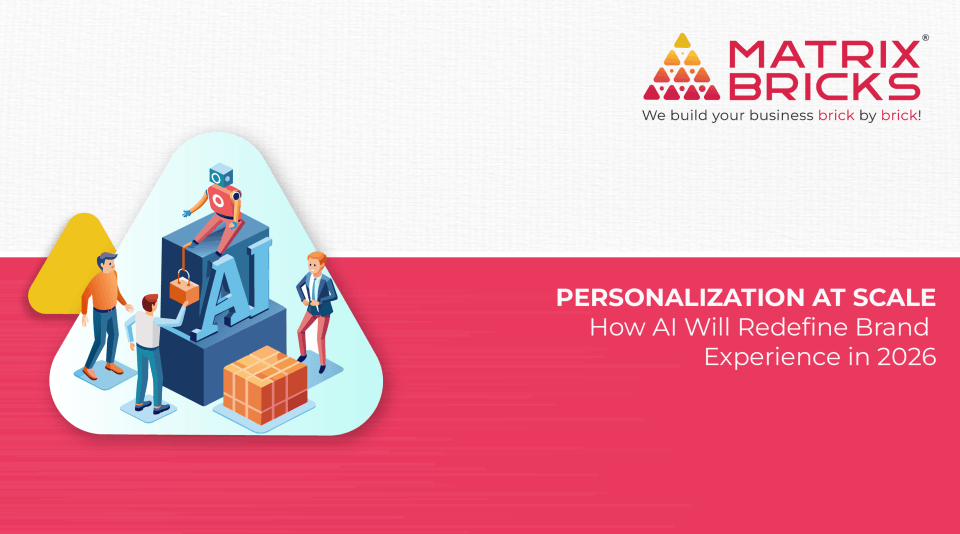
In the fast-changing digital world, brands are no longer judged only by how they look or what they sell. They are judged by how they make people feel. As we move towards 2026, one trend is becoming impossible to ignore: AI personalization is reshaping the way companies create experiences for customers. The new age of branding is being built on a foundation where customer experience, AI, smart data, and brand automation work together to deliver interactions that feel tailored, intuitive, and human.
In fact, modern consumers expect brands to know their needs, understand their emotions, and respond in real time. This shift is transforming how businesses craft AI-driven branding strategies and design personalized marketing campaigns that speak to individuals, not just the masses. And as we move into 2026, this behaviour will only intensify.
The Rise of Experience-Driven Branding
Brand loyalty today is less about slogans and more about experiences. Customers are drawn to brands that understand them, simplify their decision-making, and communicate with emotional intelligence. This explains why brands across industries are banking on AI personalization to elevate every interaction.
Experience-driven branding is fuelled by one belief:
When customers feel recognised, they stay. When they feel understood, they return. And when they feel valued, they advocate.
Why the Shift Happened
Several digital and cultural shifts pushed brands towards experience-driven models:
- Consumers now switch brands easily, and AI-powered competitors make the market more crowded. Brands need something stronger than pricing or product features to stand out, and personalization becomes that anchor that keeps customers emotionally connected.
- People expect tailored recommendations, instant support, and content crafted for their preferences, making an AI-driven branding strategy essential to meeting these expectations consistently.
- Technology has become more intuitive, allowing brands to use customer experience AI to analyse real-time behaviour and deliver experiences that evolve with user intent.
- The modern buyer is overwhelmed by choices, so brands that simplify decision-making through personalized marketing campaigns instantly earn trust and loyalty.
What Experience-Driven Branding Looks Like in 2026
By 2026, experience-driven branding will feel almost invisible, effortless, and natural. AI will sit quietly behind the scenes, creating interactions that feel fluid and relevant.
Examples include:
- Websites that adapt dynamically, showing unique layouts, messages, or product recommendations based on who is visiting and what they have previously explored.
- Emails that feel handwritten, tailored not only to the customer’s past behaviour but also their current mood or buying stage.
- Customer support that anticipates questions, offering solutions even before the user realizes they need help.
- In-store experiences are enhanced by AI, combining digital personalization with physical environments to deliver seamless brand journeys.
Experience is becoming a new currency, and personalization at scale is the only way brands can afford it.
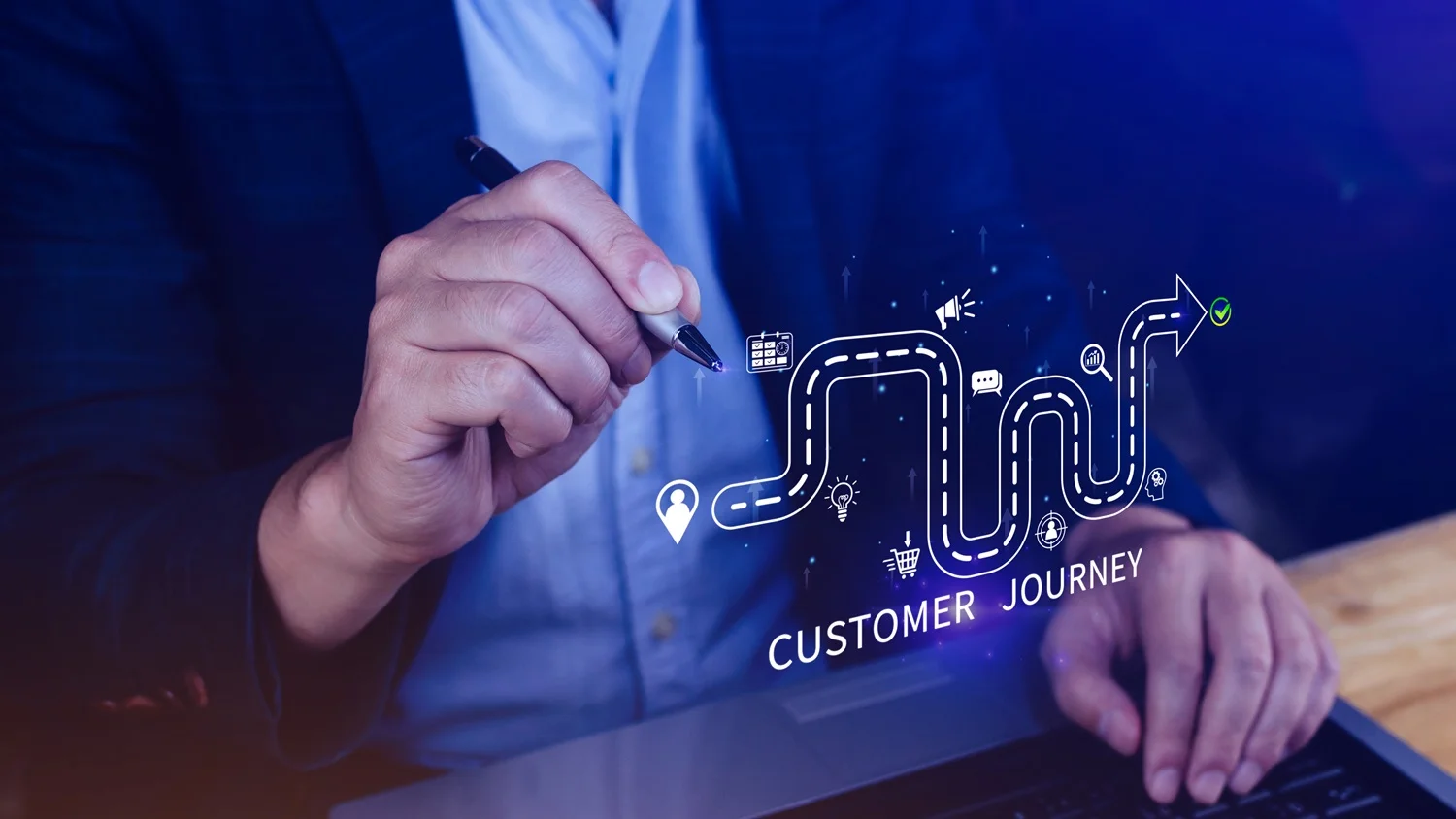
Using AI to Map Dynamic Customer Journeys
The power of personalization at scale lies in understanding the customer journey, not as a straight line, but as a living, shifting path. Traditional marketing assumed customers moved from awareness to consideration to purchase. Today, journeys are fluid, influenced by hundreds of micro-signals.
This is where customer experience AI and brand automation change the game.
How AI Maps These Evolving Journeys
AI analyzes how customers behave across touchpoints: social media, website interactions, purchase history, browsing patterns, previous communication, and even emotional cues.
This data helps AI understand:
- What the customer wants now is to rely only on past behaviour.
- What might motivate them later, based on intent, timing, and subtle behavioural patterns?
- Where they may pause or drop off, allowing brands to optimise or personalize certain stages.
- How multiple channels overlap, helping brands build a unified journey instead of scattered experiences.
The Role of Real-Time Intelligence
Real-time insights are at the heart of an AI-driven branding strategy. They allow brands to respond instantly, not hours or days later.
Real-time AI enables brands to:
- Trigger personalized marketing campaigns exactly when the customer is most receptive, increasing engagement and conversions.
- Adjust messaging dynamically, ensuring tone and content match the customer’s mood or intentions.
- Make product suggestions that feel timely, based on current browsing behaviour rather than outdated patterns.
- Respond to customer service queries with context, reducing frustration while strengthening brand trust.
Dynamic Journey Mapping in Action
Imagine this scenario:
A customer browses sports shoes online at night. Instead of receiving a generic email the next morning, AI notices:
- The customer lingered longer on hiking shoes.
- They compared price points.
- They clicked on a size guide.
- They returned to the page twice.
Now imagine what AI can do within minutes:
- Send a personalized notification offering size guidance.
- Highlight an outdoor footwear guide.
- Automatically apply a small, limited-time discount to nudge purchase.
- Display testimonials from hikers within their age group.
That is the power of AI personalization; rich journeys that change with every new action.
Balancing Personalization with Brand Consistency
As brands move deeper into personalized experiences, an important challenge emerges:
How do you stay consistent while adapting to individual preferences?
Too much personalization can dilute the brand identity if not managed thoughtfully. The goal is to create unique experiences without losing the brand’s red thread.
Why this Balance Matters
A brand must feel like the same entity everywhere, whether on a website, an email, a chatbot, or a physical store. Personalization should enhance recognition, not replace it.
Challenges often surface:
- Over-customisation may confuse customers, who might feel the messaging is too scattered or inconsistent.
- Inconsistent tone can erode trust, especially if automated messages don’t feel aligned with brand personality.
- Multiple personalized experiences across channels, if not aligned, can create friction instead of delight.
- AI that is not trained correctly may deliver experiences that feel overly robotic or emotionally off-key.
How Brands Maintain Consistency While Scaling Personalization
Thoughtful AI-driven branding strategy allows brands to deliver custom experiences while preserving their identity.
Key Practices include:
- Defining a clear brand voice and ensuring all personalized marketing campaigns reflect the same tone and emotional language.
- Setting style and personality rules, guiding how AI tools communicate across channels.
- Creating centralised content libraries, so personalized elements vary but maintain brand essence.
- Ensuring data governance, protecting customer trust, and creating experiences that feel respectful and secure.
Personalization Should Feel Human, Not Mechanical
Customers appreciate personalization only when it feels like a brand genuinely understands them, not when it feels like an algorithm is intruding.
Ways to humanise AI:
- Adding emotional intelligence, so recommendations feel supportive rather than pushy.
- Incorporating subtle behavioural cues, such as identifying when customers prefer slower or more conversational messaging.
- Avoiding overly predictive suggestions, which may feel creepy or invasive.
- Keeping human options available, ensuring customers can talk to real people when needed.
When AI and human intuition work together, brands create emotional resonance without losing reliability.
Case Study: How AI Boosted Brand Loyalty for a Global Retailer
To understand how powerful AI personalization can be, let’s look at a real-world scenario.
A major international fashion retailer struggled with declining customer loyalty. Their problem wasn’t product quality—it was inconsistency. Customers felt the experience varied too much across channels. Marketing emails felt irrelevant, website recommendations were off-target, and support teams lacked customer context.
What They Did
The retailer implemented an integrated customer experience AI platform with personalization capabilities.
Their new system allowed them to:
- Track real-time behaviour, adjusting recommendations instantly when customers switch categories or styles.
- Unify customer profiles, merging offline and online data into a single, accurate view of each shopper.
- Automate brand communication, delivering campaigns driven by actual behaviour, not generic audience segments.
- Build personalized marketing campaigns that offered style suggestions based on recent purchases, body type, climate, and seasonal trends.
The Results
Within 12 months, the transformation was remarkable:
- Customer loyalty increased because shoppers felt genuinely understood.
- The cart abandonment rate dropped as recommendations became more meaningful and timely.
- Email engagement doubled thanks to individually curated content.
- Customer lifetime value grew significantly due to smoother, more intuitive buying journeys.
This retailer proved that personalization at scale—when paired with thoughtful brand automation—can transform not only customer journeys but also long-term business outcomes.
Personalization Before vs. After AI
| Aspect | Traditional Personalization | AI-Powered Personalization (2026 Model) |
| Data usage | Limited past behaviour | Real-time intent, emotion, context |
| Recommendations | Generic categories | Hyper-specific and dynamic |
| Customer journey | Linear | Adaptive and constantly evolving |
| Communication | Scheduled and rigid | Predictive, responsive, multi-channel |
| Brand experience | Same for everyone | Tailored to each user at every touchpoint |
Talk to Our Team at Matrix Bricks About AI-Powered Branding Solutions
Frequently Asked Questions
1. What is AI personalization, and why is it important for brand experience?
AI personalization refers to using artificial intelligence to tailor experiences, content, recommendations, and interactions for individual customers based on behaviour, intent, and preferences. In 2026, this is becoming essential because customers expect brands to recognise their needs instantly.
Key points:
- It transforms brand interactions from generic to meaningful, helping customers feel valued and understood.
- It increases retention by reducing friction in the buying journey while providing relevant, timely experiences.
2. How does AI improve the customer journey in real time?
AI analyses thousands of data points, browsing behaviour, engagement patterns, and purchase history, to understand what customers need in the moment. This enables brands to deliver instant responses and dynamic experiences.
Examples include:
- Offering personalized marketing campaigns exactly when customers are ready to engage.
- Adjusting on-site content automatically based on real-time browsing signals.
3. What industries benefit most from customer experience AI?
Almost every industry gains value from customer experience AI, especially those where decision-making depends on emotions, preferences, and timing.
Top benefiting sectors:
- Retail brands need accurate, real-time recommendations for diverse buyer profiles.
- Finance companies want to simplify customer support through automated yet personalized issue handling.
4. Is there a risk of over-personalization harming brand consistency?
Yes, if personalization is not well balanced, it can make the brand feel fragmented. However, brands can avoid this by setting clear communication guidelines and using brand automation tools wisely.
Tips to maintain balance:
- Keep core messaging consistent, even when tailoring content.
- Define clear style, tone, and identity rules for AI systems.
5. How will personalized marketing campaigns evolve by 2026?
By 2026, personalized marketing campaigns will become fully adaptive, responding to customer actions in real time rather than following pre-planned sequences.
They will:
- Adjust automatically based on purchase mood, browsing intensity, and emotional cues.
- Deliver hyper-specific recommendations that feel genuinely helpful instead of promotional.