

 India
India  UK
UK  UAE-English

In the competitive world of real estate, simply listing properties online is not enough anymore. With low engagement on property websites becoming a concern for agents and agencies, understanding what captures buyers’ attention is crucial. In 2026, the game has shifted; visual content, immersive experiences, and property storytelling now drive conversions far more effectively than static listings ever could.
If you’re wondering how to transform your property website into a conversion powerhouse, here’s everything you need to know about why visual content wins and how to use it to boost real estate engagement.
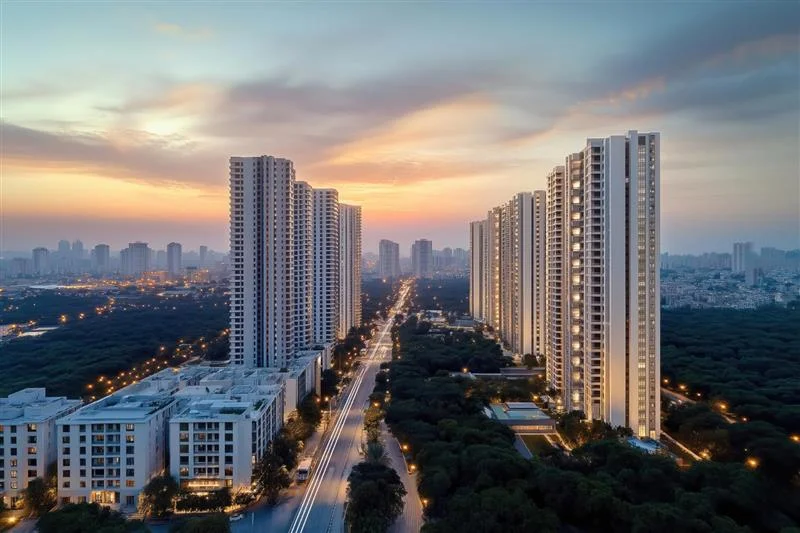
Why Static Listing Doesn’t Work Anymore
Gone are the days when buyers would scroll through long paragraphs of property descriptions and a handful of images. The modern buyer wants more; they want to feel the space before they set foot inside it.
Static listings fail to convey the experience of a living room. A few bullet points and photographs can show what a property looks like, but they rarely communicate lifestyle, neighbourhood vibe, or the story behind the home.
Some of the main reasons static listings underperform include:
- Low Engagement: Pages with only text and basic images often result in short session times and high bounce rates.
- Lack of Immersion: Buyers cannot visualise themselves in the space, leading to fewer inquiries.
- Limited Sharing Potential: Static content is less likely to be shared on social media, resulting in reduced organic reach.
According to recent studies in real estate marketing trends, listings with visual storytelling elements see significantly higher engagement and more qualified leads. This means that simply listing the square footage and number of bedrooms won’t cut it in 2026. Buyers now respond to experiences, not just information.
Using 360° Tours and Short Videos for Conversions
Visual content is no longer optional; it is essential. Real estate video marketing has become one of the most effective tools for driving property engagement. Short, well-produced videos enable potential buyers to understand a property’s layout, appreciate its unique features, and envision living there, all from the comfort of their device.
360° Virtual Tours
360° virtual tours are revolutionising the way buyers explore homes online. They allow users to navigate spaces independently, move from room to room, and view every angle at their own pace. This level of interactivity is highly effective because it mimics an in-person visit while saving time for both buyers and agents.
Benefits of 360° tours:
- Immersive Experience: Buyers feel as if they are walking through the property, which increases emotional engagement.
- Higher Conversion Rates: Properties with virtual tours receive more inquiries and schedule more viewings.
- SEO Advantages: Optimising virtual tours for search engines through virtual tour SEO helps listings rank higher in search results, increasing visibility to potential buyers.
For example, imagine a buyer interested in a modern townhouse. A static listing shows photos of the kitchen, living room, and bedrooms. A 360° tour, however, allows the buyer to rotate the view, explore the flow of rooms, and even zoom in on design details like high-end finishes. The immersive experience encourages longer site visits and a stronger connection to the property.
Short Video Clips
Short-form videos are another critical tool in 2026’s real estate marketing arsenal. Buyers often scroll quickly through listings and social media feeds, so videos of 30–60 seconds can grab attention immediately. These videos can include:
- Walkthroughs highlighting the property’s best features
- Lifestyle content showcasing nearby amenities like parks, schools, and shops
- Quick interviews with agents discussing property highlights
Short videos not only increase real estate engagement but also encourage social sharing, which can expand reach without additional advertising spend. A compelling video can turn a casual browser into a serious inquiry in seconds.
When combined, 360° tours and short videos provide both depth and quick engagement—a strategy that ensures buyers stay longer on your site and are more likely to convert.

Content Ideas That Make Buyers Stay Longer
Capturing attention with visual content is the first step; keeping it is another challenge altogether. Once visitors are on your property website, providing engaging and informative content ensures they explore multiple listings, increasing the likelihood of a sale. Here are some content ideas that use property storytelling to keep buyers engaged.
Behind-the-Scenes Videos
Showcasing renovations, interior design decisions, or the property’s history provides buyers with a sense of authenticity. Buyers love seeing how a property has evolved or understanding the thought process behind its layout.
Lifestyle Features
Highlighting the surrounding neighbourhood is just as important as showcasing the home itself. Include information on:
- Local schools, parks, and amenities
- Cafés, restaurants, and cultural attractions
- Community events or activities
Lifestyle content helps buyers imagine themselves not just living in a property, but thriving in a neighbourhood, creating an emotional bond with the listing.
Interactive Floor Plans
Interactive floor plans allow users to click on rooms, view measurements, and visualise furniture placement. This makes it easier for buyers to understand the layout and potential of the property, boosting confidence in their decision-making process.
Agent Insights
Adding professional commentary about the property’s strengths, ideal buyer profiles, or investment potential creates added value. It positions the agent as a trusted expert while enriching the storytelling experience.
The key is to combine immersive content with a narrative. For example, instead of simply stating “three bedrooms,” describe how the bedrooms receive natural light in the morning, creating a bright and energising environment. These details enable buyers to spend more time on the site, increasing the chances of inquiry and conversion.
| Content Type | Purpose | Engagement Benefit |
| 360° Virtual Tour | Immersive property exploration | Longer site visits, more inquiries |
| Short Video Clips | Quick, shareable property highlights | Social shares, higher click-through rates |
| Interactive Floor Plans | Visualise layout and dimensions | Enhances user understanding |
| Lifestyle & Community Stories | Connects the buyer emotionally with the location | Builds trust and relatability |
| Reviews & Testimonials | Builds credibility | Higher conversion rates |
Integrating Social Proof and Reviews for Credibility
Even the most visually stunning content may fall flat if buyers don’t trust the source. Integrating social proof and reviews can dramatically enhance credibility and lead to higher real estate engagement.
How to Use Social Proof Effectively
- Client Testimonials: Share authentic stories from previous buyers about their experience with the property and your agency. Include photos or video snippets for added authenticity.
- Ratings and Reviews: Display feedback from online platforms like Google or property portals. Buyers trust third-party validation more than marketing copy.
- Case Studies: Showcase success stories, such as how quickly a property sold or how a buyer found their dream home through your service.
Social proof works by providing reassurance to potential buyers. Even if your listings are beautifully presented with videos and virtual tours, trust is essential. Buyers are more likely to engage with your content and make inquiries when they see others have had positive experiences.
In 2026, authenticity is the key. Overproduced marketing can feel artificial, but genuine reviews, candid videos, and verified testimonials resonate with buyers, strengthening emotional connections and driving conversions.
Why 2026 Demands Visual Storytelling in Real Estate
The real estate landscape has undergone significant changes. Buyers are no longer satisfied with static listings; they want stories, experiences, and a glimpse into what life could be like in their future home. Here is why visual storytelling is now indispensable:
- Attention is Scarce: Online distractions are everywhere, and buyers won’t spend time on pages that fail to engage.
- Mobile-First Consumption: Many buyers explore properties via smartphones or tablets. Videos and interactive tours are ideally suited to these devices.
- Decision Driven by Emotion: Buying a home is an emotional decision. Storytelling and immersive content make properties memorable and relatable.
- SEO and Visibility: Platforms increasingly prioritise rich media. Virtual tour SEO ensures that properties featuring video and interactive content appear higher in search results.
By embracing real estate video marketing and combining it with property storytelling and social proof, agents can transform low-engagement websites into dynamic lead-generating platforms.
Frequently Asked Questions
1. What is the most effective way to use visual content in real estate marketing?
The most effective approach to using visual content in real estate marketing involves combining multiple forms of media that work together to tell a story rather than relying on just one format. Today’s buyers are highly visual, and they expect more than static photos or text-heavy descriptions.
To maximise engagement:
- Use 360° virtual tours to give viewers control over how they explore a property, allowing them to experience its flow and proportions.
- Incorporate short-form videos that highlight unique features, nearby amenities, or lifestyle benefits of the neighbourhood.
- Add drone footage where possible, offering aerial perspectives that showcase gardens, surrounding landscapes, and local infrastructure.
- Pair visuals with storytelling—describe how a family might enjoy the space, or how the property’s layout supports modern living.
The key is to ensure that every piece of visual content contributes to your property storytelling strategy. Rather than focusing only on the property’s physical aspects, communicate its emotional appeal—what it feels like to live there, what kind of lifestyle it offers, and why it stands out. When used effectively, visual content becomes a bridge between curiosity and commitment, leading to stronger real estate engagement and higher conversion rates.
2. How does virtual tour SEO improve property engagement?
Virtual tour SEO ensures your interactive content reaches the right audience by improving visibility in search results. When properly optimised, your virtual tours can appear higher on search engines and attract more qualified leads.
This helps by:
- Increasing exposure to motivated buyers.
- Boosting on-site time as users explore tours in depth.
- Enhancing local reach through targeted keywords like “virtual home tours in Birmingham.”
By merging SEO with immersive experiences, your content becomes both discoverable and engaging—a perfect formula for higher conversion rates.
3. Can short videos really increase conversions for a property website?
Absolutely. Real estate video marketing thrives on short, impactful clips that quickly capture attention. In a fast-scrolling digital world, a 30-60 second video can do more than paragraphs of text.
- Show the property’s best features instantly.
- Encourage shares on social media to expand your reach.
- Build trust by featuring the agent or local highlights.
A short, well-edited video can turn curiosity into interest—and interest into action. It’s storytelling in motion, and it works.
3. What types of content make buyers spend more time on a property website?
To keep visitors engaged for longer, offer a variety of interactive and emotionally engaging content. Buyers enjoy exploring when listings feel informative and personal.
Focus on:
- Immersive virtual tours that replicate real visits.
- Interactive floor plans for layout clarity.
- Neighbourhood stories about schools, cafés, and culture.
- Behind-the-scenes content that adds authenticity.
- Testimonials that show trust and reliability.
When buyers feel entertained and informed, they stay longer — and more extended visits lead to stronger real estate engagement.
4. How necessary is social proof in 2026 for real estate engagement?
Social proof is essential for credibility. Buyers in 2026 rely heavily on others’ experiences before committing to viewings or making a purchase. Authentic feedback reinforces trust.
Effective forms of social proof include:
- Client testimonials and video reviews.
- Ratings on trusted platforms.
- Real buyer stories showing satisfaction and success.
Integrating social proof with visual content strengthens your property storytelling, reassuring potential buyers that they’re making a confident choice.
If your property listings aren’t attracting the attention or engagement they deserve, now’s the time to change your approach. In 2026, success in real estate isn’t just about listing homes — it’s about telling stories that inspire, inform, and emotionally connect with buyers.
Start today — Request our Real Estate Content Audit Checklist.