

 India
India  UK
UK  UAE-English
When Cloud Downtime Becomes a Business Crisis
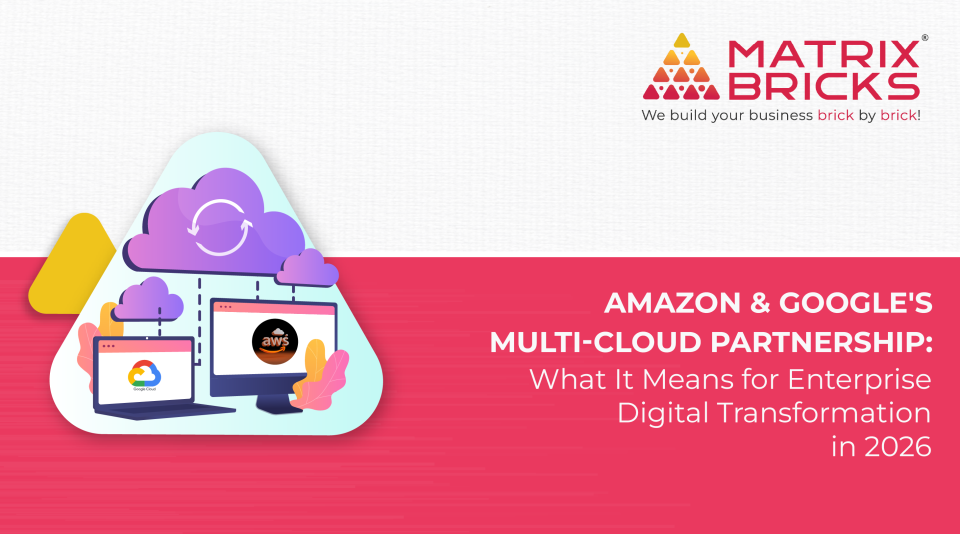
What if your customers tried to log in, and nothing worked? No error message. No explanation. Just silence. In October, this wasn’t a hypothetical. A major AWS outage disrupted thousands of platforms worldwide, including household names such as Snapchat and Reddit. Within minutes, social media was flooded with complaints, internal teams scrambled, and businesses bled revenue by the second. For many enterprises, this moment confirmed a growing fear: cloud reliability isn’t guaranteed just because you’re on the cloud. Over the last decade, cloud adoption accelerated faster than resilience planning. Businesses chased speed, scale, and innovation, but often anchored everything to a single provider. That dependency has now become a risk. This is why the recent announcement of Amazon and Google partnering on multi-cloud networking matters so deeply. Two of the world’s biggest competitors didn’t collaborate for convenience; they did it because enterprises need a safer, smarter way to operate. This partnership signals a shift in how enterprise digital transformation in 2026 will be built: not on blind trust, but on architectural resilience.
The Multi-Cloud Reality Most Businesses Are Living In
Most enterprises today are already multi-cloud, whether they planned to be or not. Marketing runs analytics on Google Cloud. Core systems sit on AWS. Legacy workloads remain on-premises. The problem isn’t multi-cloud adoption; it’s poor connectivity between clouds.Why Downtime Hurts More Than Ever
Downtime no longer impacts just IT teams. It affects customers, partners, and brand perception instantly. A five-minute outage can mean:- Lost transactions that never return
- Broken SLAs with enterprise clients
- Long-term erosion of trust
The Risk of Single-Cloud Dependency
Single-cloud setups create a dangerous illusion of simplicity. When everything depends on a single provider, failures cascade quickly. Enterprises lose flexibility, negotiation power, and the ability to respond quickly when something goes wrong. This is where multi-cloud redundancy stops being a technical upgrade and starts becoming a business safeguard.Why Amazon and Google’s Collaboration Is a Big Deal
Amazon and Google haven’t suddenly become friends. They’ve become realistic. By integrating AWS Interconnect Multi-Cloud with Google Cross-Cloud Interconnect, they’ve created a private, high-speed network bridge between their platforms. No public internet dependency. No fragile workarounds. What does that mean in real terms?- Cloud-to-cloud connectivity in minutes, not weeks
- Predictable performance for critical workloads
- Secure, dedicated networking paths
How Big Brands Are Already Thinking This Way
Salesforce: Always-On Expectations at Global Scale
Salesforce supports millions of users across continents, industries, and time zones. Downtime isn’t an inconvenience; it’s a breach of trust. For years, Salesforce has embraced multi-cloud architectures to separate core applications, analytics, and AI workloads. Stronger cloud-to-cloud connectivity allows platforms like Salesforce to:- Maintain uptime even during provider disruptions
- Synchronise massive data volumes without latency issues
- Deliver consistent performance globally
Netflix & Spotify: Performance Is the Product
Streaming platforms like Netflix and Spotify don’t sell software; they sell experience. A delay, a buffering issue, or an outage directly impacts user loyalty. These companies distribute workloads intelligently across regions and services to:- Reduce latency during traffic spikes
- Maintain availability during regional failures
- Scale seamlessly during global releases
Global Retail Giants: When Downtime Equals Lost Revenue
Major e-commerce brands face intense pressure during peak events, such as Black Friday and festive sales, as well as during flash campaigns. A single outage during these windows can cost millions. By using multi-cloud architectures with strong cloud connectivity solutions, retailers can:- Route traffic dynamically
- Keep checkout systems available during demand surges
- Avoid single-provider bottlenecks
The Business Benefits Enterprises Can No Longer Ignore
A well-designed multi-cloud environment delivers tangible, board-level value.- Reduced Downtime and Greater Confidence Private inter-cloud connectivity reduces dependency on any single provider, dramatically lowering the risk of total outages.
- Faster Deployment and Innovation Infrastructure teams no longer wait weeks to connect environments. New regions, platforms, and AI initiatives launch faster.
- Cost Optimisation Without Compromise A smart multi-cloud strategy allows enterprises to place workloads where they perform best, technically and financially.
- Ready for AI-Driven Futures AI workloads demand continuous connectivity and massive processing power. Multi-cloud environments support this growth while avoiding bottlenecks, strengthening long-term digital transformation plans in the cloud.
Single-Cloud vs Multi-Cloud Networking: What Enterprises Experience
| Aspect | Single-Cloud Architecture | Multi-Cloud Networking |
| Downtime impact | High risk, failures cascade quickly | Distributed risk through built-in cloud redundancy |
| Vendor dependency | Strong lock-in to one provider | Flexible multi-cloud strategy with negotiation leverage |
| Performance optimisation | Limited to one ecosystem | Workloads are placed where they perform best |
| Scalability | Constrained by provider limits | Scales across platforms and regions |
| Business continuity | Reactive recovery | Proactive resilience through multi-cloud redundancy |
| Future readiness | Slower adaptation to AI and edge needs | Designed for evolving enterprise cloud solutions |
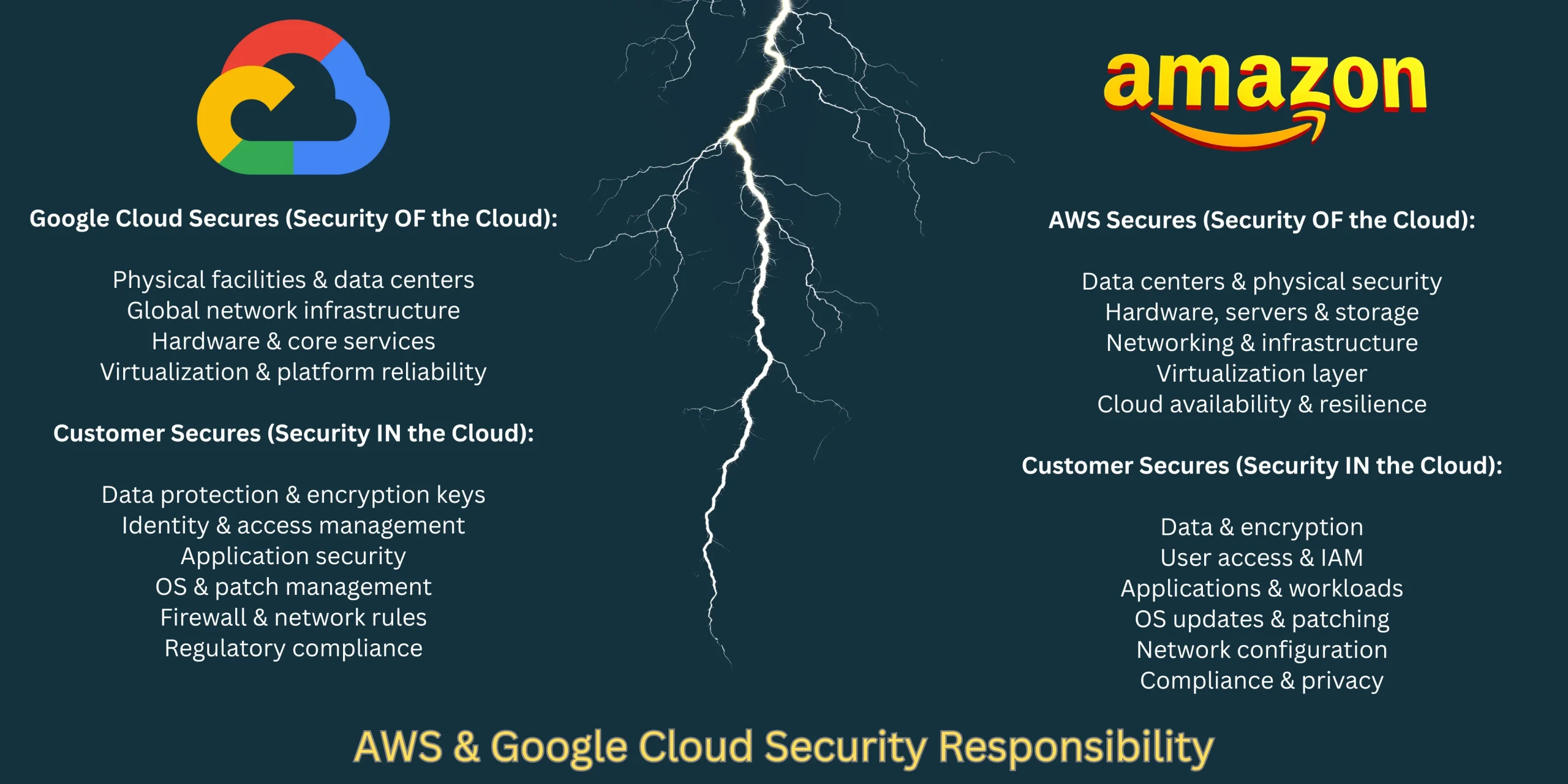
Security in a Multi-Cloud World
Security is often cited as the biggest concern, and rightly so. But modern multi-cloud security strategies improve protection when implemented correctly. Private interconnects reduce exposure to public internet risks, while workload isolation limits blast radius during incidents. For regulated industries like banking and healthcare, this approach offers stronger control without sacrificing flexibility.Is Multi-Cloud the Right Path for Your Business?
Multi-cloud isn’t about following trends. It’s about preparedness. You Should Consider Multi-Cloud If:- Downtime directly impacts revenue or reputation
- You operate across multiple regions or regulations
- AI, analytics, or data workloads are expanding
- You want flexibility without vendor lock-in
What the Future Looks Like in 2026 and Beyond
The future of the cloud will not be defined by fixed models such as single-, hybrid-, or multi-cloud. Those distinctions will continue to fade. What enterprises will move toward instead are adaptive cloud ecosystems, where infrastructure responds dynamically to demand, risk, and growth rather than remaining static. By 2026, cloud environments will no longer be designed once and left unchanged. They will evolve continuously, adjusting to performance requirements, cost pressures, security needs, and business priorities in real time. This shift will redefine how organisations think about resilience and scale.1. AI-Led Cloud Operations Will Become the Standard
Artificial intelligence will sit at the core of cloud operations. Rather than relying on manual monitoring and delayed responses, enterprises will use AI-driven systems to anticipate issues before they surface. Cloud platforms will:- Predict performance and availability risks in advance
- Automatically rebalance workloads across cloud providers
- Optimise infrastructure costs continuously based on usage patterns
2. Cloud Providers Will Collaborate More Openly
The Amazon and Google partnership will signal a broader industry shift. As enterprise requirements grow more complex, cloud providers will increasingly enable interoperability rather than enforce isolation. Over the coming years, businesses will see:- Deeper integration between leading cloud platforms
- More standardised approaches to networking and security
- Easier portability of applications and data across environments
3. Edge Computing Will Become Part of Core Cloud Architecture
Edge computing will no longer remain a supporting layer. As real-time use cases expand across retail, manufacturing, healthcare, and smart infrastructure, processing data closer to users will become essential. Enterprises will integrate edge capabilities directly into their core cloud environments to:- Deliver ultra-low latency experiences
- Maintain reliability across distributed operations
- Support emerging technologies such as IoT, automation, and immersive digital platforms
4. Continuity Will Replace Convenience as the Primary Design Principle
Perhaps the most important shift will be philosophical. Cloud infrastructure will be designed around continuity rather than convenience. Modern architectures will be built with the expectation that:- Outages will occur
- Demand will fluctuate unpredictably
- Recovery will need to be instant, not eventual
From Cloud Complexity to Business Confidence
Cloud outages have made one thing clear: resilience can no longer be optional or reactive. Amazon and Google’s partnership marks a shift from convenience-led choices to continuity-first cloud design. Multi-cloud networking is moving from experimentation to becoming core to enterprise cloud solutions. For organisations planning growth, the real question is no longer whether multi-cloud makes sense, but how well it is designed and governed. For businesses exploring cloud migration services and future-ready digital transformation in the cloud, the right foundation is critical. At Matrix Bricks, we help enterprises build cloud systems that stay reliable under pressure, turning transformation into lasting confidence rather than costly rework.Frequently Asked Questions
1. What is multi-cloud networking?
Multi-cloud networking connects multiple cloud platforms through secure, high-performance links, enabling workloads and data to move seamlessly across environments. It plays a critical role in modern enterprise cloud solutions by improving flexibility and resilience. Key benefits include:- Higher availability through cloud redundancy, ensuring applications remain accessible even during provider outages
- Reduced vendor dependency, supporting a flexible multi-cloud strategy without long-term lock-in
- Improved scalability and performance, especially within hybrid cloud infrastructure and global deployments
2. Is multi-cloud more expensive?
Multi-cloud adoption does not automatically increase costs. When aligned with the right digital transformation cloud goals, enterprises often achieve better cost control and operational efficiency. Cost optimisation typically comes from:- Lower downtime-related losses, enabled by built-in multi-cloud redundancy
- Optimised workload placement, improving ROI across enterprise cloud solutions
- Efficient use of resources, supported by smarter cloud connectivity solutions
3. How does AWS–Google Cloud integration help businesses?
AWS Google Cloud integration removes traditional networking bottlenecks by creating private, high-speed connections between platforms. This is especially valuable for enterprises running distributed workloads across clouds. Business advantages include:- Secure private interconnects, strengthening multi-cloud security for sensitive data
- Faster data exchange between platforms, supporting analytics and AI-driven systems
- Operational flexibility, enabling seamless cloud connectivity solutions across providers
4. Is multi-cloud secure?
When designed correctly, multi-cloud environments can be more secure than single-cloud setups. Strong governance and private connectivity enhance multi-cloud security while reducing single points of failure. Security improvements include:- Isolated workloads across clouds, improving overall cloud redundancy
- Consistent security controls, aligned with enterprise-grade cloud connectivity solutions
- Improved resilience, supporting long-term enterprise cloud solutions at scale