

 India
India  UK
UK  UAE-English
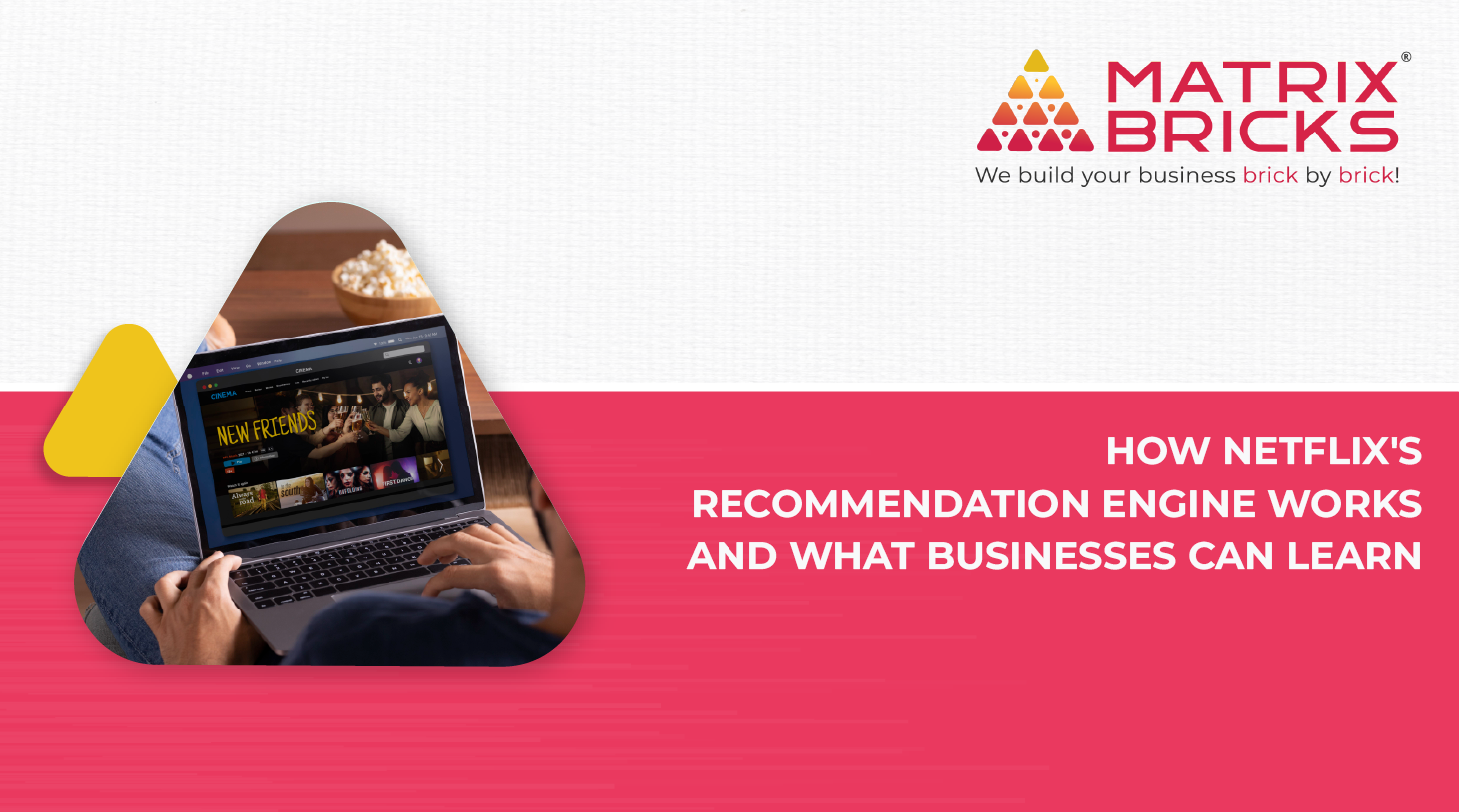
Have you ever opened Netflix just to browse for a few minutes, only to end up watching an entire series you never planned to start?
It often feels like the platform understands your taste better than you do. The moment you log in, a curated list of shows and films appears that somehow matches exactly what you are in the mood for.
This is not a coincidence. It is the result of the powerful Netflix recommendation engine, built on massive amounts of Netflix big data, artificial intelligence, and sophisticated Big data engineering systems.
Every click, pause, search, or viewing session generates data. Netflix processes this enormous stream of behavioural signals to understand viewer preferences and deliver highly personalised suggestions through its advanced content recommendation system.
For businesses, this technology is far more than entertainment innovation. It offers a clear example of how data can transform customer experience and drive smarter decisions.
Many organisations today struggle with questions like:
- Businesses collect large volumes of customer data but often struggle to turn it into meaningful insights.
- Customers expect personalised digital experiences, yet many platforms fail to anticipate their needs.
- Without a strong analytics infrastructure, valuable data remains underutilised instead of driving strategy.
Netflix solved these challenges by combining user behaviour analytics, AI models, and machine learning recommendations to create one of the most effective personalisation systems in the digital world.
In this blog, we will explore how the system works and what businesses can learn from it. More importantly, we will examine how organisations can apply similar strategies to drive big data for business growth and accelerate data-driven digital transformation.
What Is Big Data Engineering?
Before exploring how Netflix operates, it is important to understand what Big data engineering means.
In simple terms, it involves building systems that collect, process, and deliver large volumes of data so businesses can turn information into actionable insights.
Think of it this way: data is the fuel, and engineering is the engine that makes it useful. Without the right infrastructure, data remains scattered and hard to interpret. With proper systems in place, it becomes a powerful strategic asset for any organisation.
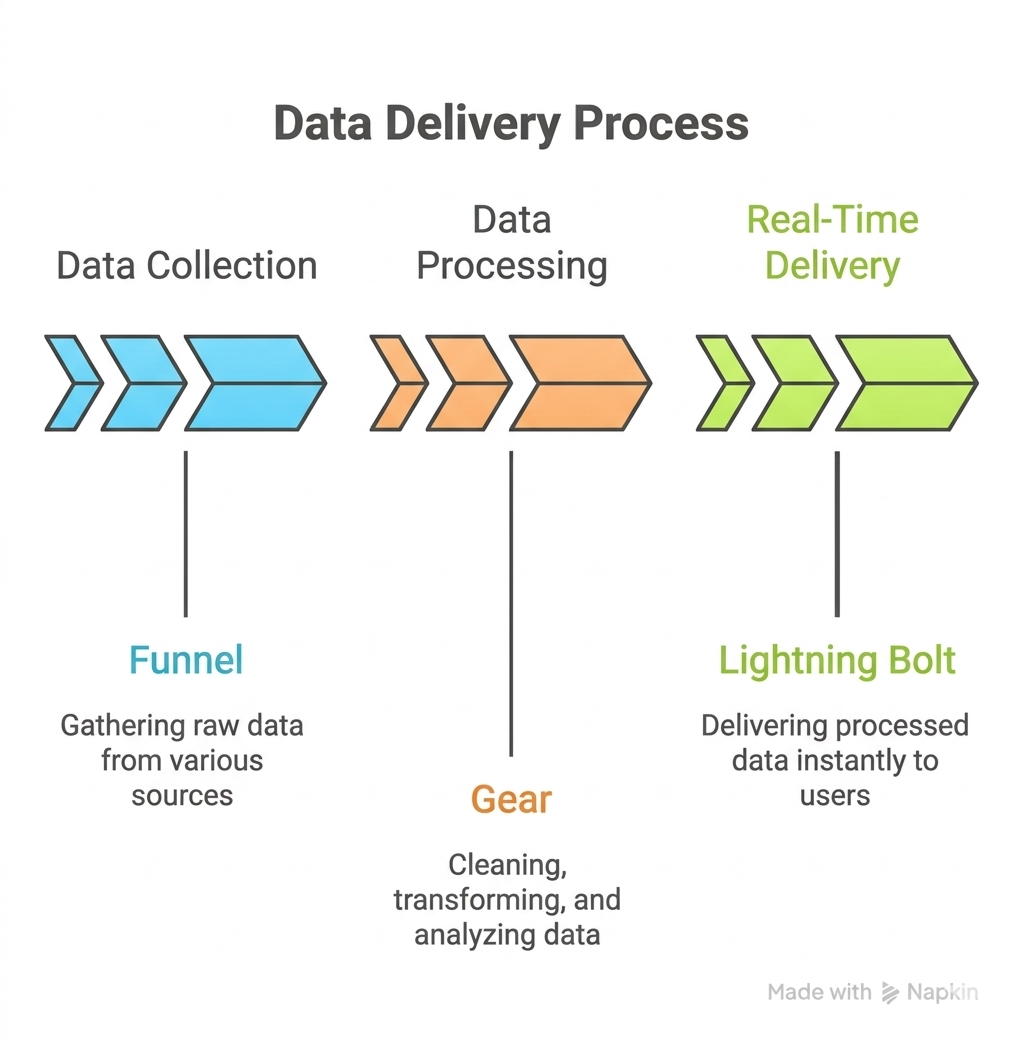
A typical Big Data engineering framework usually involves three core stages.
1. Data Collection
The first step is gathering information from different digital touchpoints where customers interact with a business.
These sources may include:
- Website browsing activity and page interactions
- Mobile app engagement and usage behaviour
- Transaction and purchase history
- Streaming or content consumption patterns
- Social media interactions and feedback signals
For Netflix, every action taken by a viewer contributes to the dataset that powers recommendations.
2. Data Processing and Analysis
Once data is collected, it must be cleaned, structured, and analysed so it can generate useful insights. This stage focuses on organising large datasets and identifying patterns that help businesses understand behaviour and make smarter decisions.
Key steps in this process include:
- Building data pipelines that organise and manage large datasets efficiently
- Applying machine learning models to analyse behaviour and detect patterns
- Identifying trends and user segments based on similar interests and interactions
Through this process, raw data is transformed into meaningful insights that guide smarter recommendations and decisions.
3. Real-Time Data Delivery
The final stage ensures that insights are delivered quickly enough to influence the user experience.
Examples include:
- Personalised product suggestions
- Tailored content feeds
- Targeted marketing campaigns
- Dynamic website experiences
Netflix excels at this stage. Its personalization engine processes billions of data signals and instantly updates suggestions using advanced machine learning recommendations.
How Netflix Collects and Uses Viewing Behaviour Data
Every interaction on Netflix contributes to the data that powers its recommendations. While many viewers assume the platform only tracks what they watch, Netflix actually analyses hundreds of behavioural signals to refine its Netflix recommendation algorithm.
Some of the key signals include:
- Viewing duration and completion rates
Netflix tracks whether users finish a show or abandon it midway, which helps measure engagement levels. - Pause, rewind, and replay behaviour
Frequent pauses or rewinds may indicate scenes that viewers find particularly engaging. - Browsing and hover behaviour
Even when users do not click on a title, hovering over it or reading its description signals potential interest. - Device type and viewing environment
Watching patterns often vary depending on whether users stream on a TV, mobile device, tablet, or laptop. - Viewing time and session habit
Content preferences can change depending on when users watch, such as late-night viewing versus daytime sessions.
All these signals feed into powerful user behaviour analytics systems. Over time, Netflix builds detailed viewing profiles for each subscriber, allowing the platform to recommend content tailored to individual tastes rather than simply promoting popular titles. This personalised approach makes Netflix’s content recommendation system highly effective.
The Algorithms Behind Netflix Recommendations
At the core of the Netflix recommendation engine is a combination of advanced artificial intelligence models working together. Instead of relying on a single method, Netflix uses a hybrid approach that blends multiple techniques to analyse viewer behaviour and deliver highly relevant suggestions through its Netflix recommendation algorithm.
Key components of this system include:
- Collaborative Filtering
This technique compares the viewing behaviour of users with similar tastes. If many viewers who liked one show also watched another, Netflix recommends that title to users with comparable preferences. - Content-Based Filtering
This method analyses the attributes of content such as genre, themes, actors, and storytelling style. If a viewer frequently watches crime dramas, the system prioritises recommending similar titles. - Deep Learning Models
Netflix enhances its recommendations with deep learning algorithms that analyse complex patterns like binge-watching habits, session length, and content completion rates to generate more accurate machine learning recommendations. - Personalised Video Ranking
A ranking system determines which titles appear first on a user’s homepage. It evaluates signals such as recent viewing activity, historical preferences, and the likelihood that a viewer will click on a specific title.
Together, these techniques allow Netflix to continuously refine and personalise recommendations for each individual viewer.
Predictive Analytics: Netflix Knows Your Next Binge
One of the most powerful aspects of Netflix’s system is predictive analytics.
Instead of simply responding to viewer behaviour, Netflix predicts what users are most likely to watch next.
Studies suggest that more than 80 percent of Netflix content consumption comes from recommendations rather than manual searches.
Predictive analytics helps Netflix:
- Forecast emerging genre trends
- Identify regional audience preferences
- Decide which original shows to produce
- Optimise licensing and production investments
A famous example is the series House of Cards.
Before producing the show, Netflix analysed viewing data and discovered that audiences enjoyed political dramas, responded well to Kevin Spacey films, and appreciated the directing style of David Fincher.
Combining these insights helped Netflix confidently invest in the series.
Today, this example is widely recognised as a leading Netflix data science case study that demonstrates how predictive analytics can drive big data for business growth.
Real-Time Data Engineering: Why Netflix Never Lags
Netflix serves hundreds of millions of viewers worldwide. Delivering instant recommendations and smooth streaming requires powerful infrastructure supported by advanced Big Data engineering.
Netflix relies heavily on cloud-based architecture to manage massive datasets and real-time processing.
Key technologies supporting this infrastructure include:
- Distributed cloud computing systems that scale with demand
- High-speed data pipelines that process behavioural signals instantly
- Automated machine learning models that continuously update recommendations
- Analytics platforms that monitor global viewing trends
This architecture ensures that recommendations update quickly and video playback remains seamless across devices.
When a viewer begins exploring a new genre, Netflix can adjust homepage recommendations almost immediately. This responsiveness is driven by real-time analytics and an adaptive personalization engine.
Technologies Behind Netflix Recommendations
| Technology | Role in Netflix System | Business Benefit |
| Big Data Infrastructure | Stores and processes massive viewing datasets | Enables scalable analytics |
| Machine Learning Models | Predict viewer preferences | Improves personalisation |
| Behaviour Analytics | Tracks user activity | Reveals customer insights |
| Recommendation Algorithms | Suggest relevant content | Boosts engagement |
| Cloud Computing | Supports global streaming delivery | Ensures reliable performance |
Together, these technologies enable Netflix to operate one of the world’s most advanced content recommendation systems.
Case Study: Netflix and Data-Driven Decision Making
Netflix represents one of the most successful examples of data-driven digital transformation.
Traditional entertainment companies often relied on intuition when deciding which films or shows to produce.
Netflix changed this approach by using data to guide creative and financial decisions.
Through extensive user behaviour analytics, Netflix analyses billions of viewing interactions to identify patterns such as:
- Emerging content preferences
- Regional audience interests
- Storytelling formats that drive engagement
This data-driven strategy allows Netflix to reduce risk and invest in projects that have a higher probability of success.
The result is stronger viewer engagement, better content investments, and improved subscriber retention.
What Businesses Can Learn from Netflix
Although most companies do not operate at Netflix’s scale, the principles behind its success can be applied across industries. By using data intelligently, businesses can better understand customers, personalise experiences, and make more informed strategic decisions.
- Businesses should analyse digital interactions such as browsing behaviour, purchase patterns, and engagement activity to uncover customer preferences and generate better machine learning recommendations.
- Personalised experiences such as product suggestions, tailored email campaigns, and dynamic website content can significantly improve engagement when supported by a strong personalization engine.
- Using predictive analytics helps organisations forecast demand, identify emerging trends, and make smarter marketing and product decisions that support big data for business growth.
- Integrating data across operations enables companies to achieve data-driven digital transformation, improving customer experience, efficiency, and innovation.
Ready to Turn Your Data Into Business Growth?
The success of Netflix shows what happens when organisations truly understand and use their data.
Companies that leverage analytics, artificial intelligence, and personalisation systems can create digital experiences that keep customers engaged and loyal.
If your organisation wants to unlock the full potential of its data, the right Digital transformation services can help you build scalable infrastructure and intelligent insights.
Connect with Matrix Bricks today and begin building a smarter, data-driven future.
Frequently Asked Questions
1. How does the Netflix recommendation engine work?
The Netflix recommendation engine uses artificial intelligence to analyse viewing behaviour and deliver personalised content suggestions.
These suggestions are powered by sophisticated machine learning recommendations that continuously improve with new data.
Key factors involved include:
- Analysing viewing history and completion rates
- Comparing behaviour patterns across similar users
- Ranking titles based on predicted interest
- Updating recommendations dynamically as habits change
2. What is big data engineering used for?
Big data engineering helps organisations process and analyse massive datasets efficiently.
It supports modern data-driven digital transformation initiatives by enabling companies to extract value from their data.
Important uses include:
- Building scalable analytics systems
- Supporting artificial intelligence models
- Analysing customer behaviour patterns
- Enabling real-time business insights
3. How does Netflix use big data to personalise content?
Netflix uses large-scale datasets to power its content recommendation system.
This system relies heavily on user behaviour analytics to understand viewer preferences.
Important signals include:
- Viewing history and completion rates
- Browsing and search behaviour
- Genre preferences and content interactions
- Device usage and viewing schedules
4. What is predictive analytics in business?
Predictive analytics uses historical data to forecast future behaviour and trends.
It plays an important role in enabling big data for business growth.
Businesses use predictive models to:
- Forecast demand for products or services
- Identify customers likely to churn
- Optimise marketing campaigns
- Uncover emerging market opportunities
5. Can small businesses use data analytics like Netflix?
While small businesses may not have the same infrastructure as Netflix, they can still apply the principles behind the Netflix recommendation algorithm.
Modern tools allow companies to build simplified personalization engines.
Businesses can start by:
- Tracking website and customer behaviour
- Analysing purchase patterns
- Implementing recommendation tools
- Using personalised marketing automation