





 India
India  UK
UK  UAE
UAE 
June 23, 2023
2069
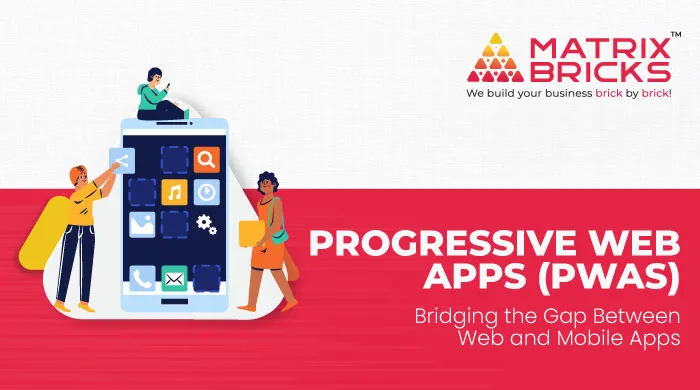
In today’s digital landscape, where users increasingly rely on their smartphones for various activities, businesses are constantly seeking innovative ways to engage with their audience. Web development companies have picked up on this need and created Progressive Web Apps (PWAs) which, effectively bridging the gap between traditional websites and native mobile applications. By combining the best of both worlds, PWAs offer a seamless and engaging user experience that can significantly impact businesses across industries. As one of leading web development companies in India, we personally vouch for– and have taken it upon ourselves to help you understand the ins and outs of PWAs! Read in below to get started!
What exactly are PWAs?
To break it down in simple terms, a Progressive Web App (PWA) utilizes cutting-edge web technologies to provide users with an experience similar to native mobile applications. In contrast to conventional websites, PWAs deliver improved performance, offline capabilities, and a variety of features commonly found in native appsWhy PWA: The Rise of Progressive Web Apps:
Native mobile apps have long been the go-to choice for businesses looking to expand their reach and offer a personalized experience. However, developing and maintaining separate apps for different platforms can be time-consuming and costly. This is where PWAs step in, eliminating the need for multiple app versions while maintaining a high level of functionality.The Benefits of PWAs:
- Cross-platform compatibility: PWAs work seamlessly across devices and platforms, eliminating the need for separate development efforts. Whether users access the app from a desktop, tablet, or smartphone, they will have a consistent experience.
- Offline functionality: One of the most impressive features of PWAs is their ability to function offline or with limited connectivity. By caching critical assets, PWAs enable users to access content and perform actions even when they’re offline, ensuring uninterrupted experiences.
- Improved performance: PWAs are built using modern web technologies, optimized for speed and performance. The app shell model, with its quick loading times and dynamic content updates, ensures that users can navigate and interact with the app swiftly.
- Lower development and maintenance costs: Unlike native apps, PWAs can be developed using standard web technologies, reducing development time and costs. Additionally, maintaining a single codebase for all platforms simplifies updates and bug fixes, resulting in cost savings.
The Key Features of PWAs:
- Responsive design: PWAs adapt to various screen sizes and orientations, providing a consistent and visually pleasing experience on different devices.
- Push notifications: Just like native apps, PWAs can send push notifications to users, enabling businesses to engage and re-engage with their audience effectively.
- Access to device features: PWAs can utilize device features such as cameras, microphones, and geolocation, enhancing the user experience and enabling powerful functionalities.
Real-world Examples of Successful PWAs:
- Twitter Lite: Twitter’s PWA, Twitter Lite, offers a lightweight and fast-loading experience, even on slow networks. It significantly reduced data consumption and load times, attracting a broader user base.
- Starbucks: Starbucks’ PWA allows users to browse the menu, customize orders, and locate nearby stores. The app’s offline capabilities ensure a seamless experience, regardless of the user’s internet connection.
- Pinterest: Pinterest’s PWA delivers a visually appealing and responsive interface that enables users to discover, save, and organize ideas. The offline mode allows users to access their saved content, even without an internet connection.