





 India
India  UK
UK  UAE
UAE 
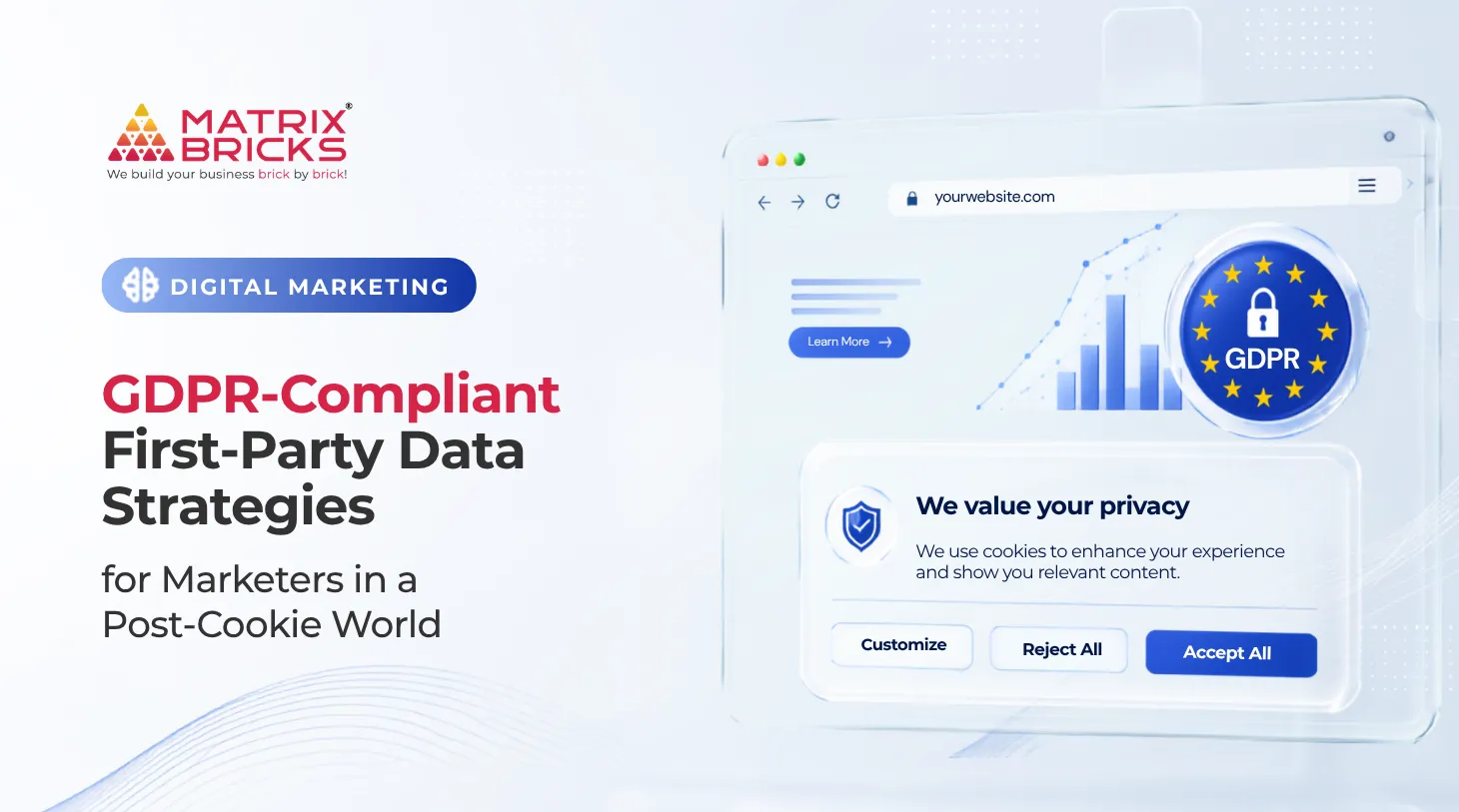
The digital marketing landscape is changing faster than many businesses expected. With third-party cookies disappearing and privacy regulations becoming stricter, marketers face a common challenge. How do you continue delivering personalised experiences without compromising customer trust or falling foul of data protection laws? The answer lies in embracing first-party data UK strategies supported by GDPR marketing compliance and a privacy-first marketing approach. Instead of relying on borrowed customer insights, businesses can build stronger relationships through data customers willingly share.
- Build trust by collecting data with clear consent.
- Create personalised campaigns using information customers choose to provide.
- Improve marketing performance while staying compliant with UK privacy regulations.
- Future-proof your strategy against evolving browser and privacy changes.
Businesses that adapt early will not only remain compliant but also gain a competitive advantage built on customer confidence.
Why the Post-Cookie Era Matters
For years, third-party cookies helped marketers track users across multiple websites, measure advertising performance, and build audience profiles. However, growing concerns around online privacy have prompted regulators and technology companies to rethink how customer data is collected.
Today, browsers are reducing support for third-party cookies, while UK GDPR expects organisations to be transparent about how personal information is gathered and used. This means marketers must shift from tracking strangers to building direct relationships with customers.
Rather than seeing this as a setback, many businesses are recognising it as an opportunity to improve data quality and customer loyalty.
| Traditional Marketing | Post-Cookie Marketing |
|---|---|
| Relied on third-party cookies | Focuses on first-party customer relationships |
| Broad audience targeting | Consent-based personalisation |
| Limited transparency | Greater customer trust |
| External data sources | Owned customer insights |
This shift encourages businesses to invest in information they collect themselves, making marketing more reliable and sustainable.
Understanding First-Party Data
First-party data refers to information collected directly through your own digital channels. Unlike third-party data, it comes from customers who have actively engaged with your business.
Examples include website registrations, email subscriptions, purchase history, customer feedback, loyalty programmes, mobile app activity, and product preferences.
Because customers provide this information voluntarily, it is generally more accurate and more valuable for long-term marketing decisions.
Take Nike as an example. Through its membership programme and mobile app, the brand collects customer preferences directly rather than depending entirely on external advertising platforms. This allows Nike to recommend products, personalise experiences, and strengthen customer relationships while maintaining transparency about data usage.
The lesson for businesses is simple. Data collected through trust is often far more powerful than data collected through tracking.
Why GDPR Compliance Creates Better Marketing
Many marketers still view GDPR as a legal hurdle. In reality, it provides an opportunity to improve customer relationships.
When people understand why their information is being collected and how it benefits them, they are more likely to engage with your brand. Effective GDPR marketing compliance is therefore about openness as much as regulation.
Successful businesses follow a few simple principles.
Be Clear About Consent
Customers should always know what they are agreeing to. Consent requests should use straightforward language, clearly explain the purpose of data collection, and make it easy to opt in or withdraw later.
Offer Genuine Value
People rarely share personal information without receiving something useful in return.
Some effective examples include:
- Exclusive industry reports.
- Educational newsletters.
- Early access to new products.
- Loyalty rewards.
- Personalised recommendations.
The stronger the value exchange, the more willing customers are to share accurate information.
Collect Only What You Need
Asking for unnecessary information creates friction and increases compliance risks. Keeping forms simple often improves completion rates while making data easier to manage.
Building a Strong First-Party Data Strategy
Developing an effective first-party data UK strategy requires more than adding extra forms to your website. It means creating meaningful opportunities for customers to interact with your brand.
Consider these approaches:
Create Valuable Content
High-quality content naturally encourages customers to share their information.
For example:
Guides and eBooks
Educational resources solve genuine customer problems while encouraging newsletter sign-ups.
Webinars and Events
Live sessions allow businesses to capture valuable registration data while demonstrating expertise.
Interactive Tools
Calculators, assessments, or quizzes provide immediate value and help businesses understand customer preferences.
HubSpot has successfully built its audience through downloadable resources that educate rather than simply promote products. Visitors willingly exchange their details because they receive practical advice they can immediately apply.
This demonstrates that SEO optimized content often becomes one of the most effective ways to collect high-quality customer data.
Get Your Free Consultation!
Connect with our team to improve visibility, unlock growth opportunities, and build strategies tailored to your business goals.
Putting Privacy at the Centre of Customer Experience
Collecting customer information is only half the job. The real success comes from using it responsibly.
Modern privacy-first marketing focuses on giving customers confidence that their information will be handled carefully. This means explaining how data improves their experience, providing clear privacy notices, and allowing people to manage their communication preferences whenever they choose.
Spotify provides a good example. Users understand that their listening history is used to recommend new music and create personalised playlists. Because the benefit is clear, customers are comfortable sharing their preferences.
The same principle applies to businesses of every size. When transparency becomes part of the customer experience, trust grows naturally, and so does the quality of your first-party data.
Turning Customer Data into Smarter Marketing Decisions
Collecting customer information is only valuable if it leads to better decisions. Once you have consented data, the next step is to organise and use it in ways that improve customer experiences rather than overwhelm them with irrelevant messages.
A well-planned strategy helps marketing teams understand what customers want, when they want it, and how they prefer to engage. Instead of sending the same message to everyone, businesses can create campaigns that feel timely and relevant.
Some practical ways to make the most of your data include:
- Segment your audience
Group customers based on purchase history, interests, or engagement levels to deliver more relevant content. - Use automation responsibly
Automated email journeys and reminders save time, but they should always be based on customer consent and genuine value. - Review customer preferences regularly
People’s interests change over time. Giving them the option to update their preferences keeps your database accurate and improves campaign performance.
When data is used thoughtfully, personalisation feels helpful rather than intrusive.
Common Mistakes to Avoid
Many organisations invest in collecting customer data but overlook the processes needed to manage it responsibly. Avoiding a few common mistakes can improve both compliance and marketing results.
Collecting Too Much Information
Requesting unnecessary personal details creates friction during sign-ups and increases compliance risks. Focus on collecting only the information needed to provide a better customer experience.
Ignoring Consent Updates
Customer consent is not permanent. Businesses should regularly review permissions and make it simple for people to change their communication preferences or withdraw consent.
Working with Disconnected Data
When website analytics, email platforms, and CRM systems operate separately, it becomes difficult to understand the customer journey. Integrating these systems provides a clearer picture and helps deliver consistent experiences across every touchpoint.
The Future of Privacy-First Marketing
The end of third-party cookies is only one part of a much wider shift in digital marketing. Businesses are now exploring new ways to understand customer behaviour without compromising privacy.
Artificial intelligence is improving audience insights, while contextual advertising is making campaigns more relevant based on page content rather than personal tracking. At the same time, zero-party data, where customers intentionally share their interests and preferences, is becoming increasingly valuable.
Businesses that embrace privacy-first marketing today will be better prepared for future regulatory changes and rising customer expectations. More importantly, they will build stronger relationships based on transparency rather than surveillance.
The brands that succeed in the years ahead will not necessarily have the largest databases. They will be the businesses that build customer trust through every interaction.
Final Thoughts
The post-cookie era is encouraging marketers to rethink how they collect and use customer information. Instead of depending on third-party tracking, businesses can strengthen customer relationships through transparency, trust, and meaningful value exchanges.
By adopting first-party data strategies and maintaining GDPR-compliant marketing practices, organisations can deliver more personalised customer experiences while safeguarding user privacy. The result is not only stronger compliance but also better engagement, improved loyalty, and more sustainable long-term growth.
Ready to Build a Future-Proof Marketing Strategy?
The shift towards first-party data is already reshaping digital marketing in UK. Businesses that act now will be better positioned to strengthen customer trust, improve campaign performance, and stay ahead of changing privacy expectations. If you’re ready to create a compliant, data-driven marketing strategy that delivers lasting results, get in touch with Matrix Bricks in London, UK and take the next step with confidence.
Frequently Asked Questions
GDPR marketing compliance means following UK data protection rules when collecting and using customer information for marketing activities. It helps businesses build trust while reducing legal risks.
- Gain clear consent before collecting or using personal data for marketing.
- Explain data usage in simple language so customers know what to expect.
- Review policies regularly to stay aligned with changing regulations.
As third-party cookies disappear, businesses need reliable information collected directly from their own customers. This creates more accurate insights and stronger relationships.
- Improve personalisation using real customer interactions.
- Increase data accuracy by collecting information directly.
- Support long-term growth with owned customer insights.
A privacy-first marketing approach puts transparency and customer choice at the centre of every campaign. This encourages customers to engage with confidence.
- Clearly communicate how customer information is collected, stored, and used.
- Offer clear choices through preference centres and consent options.
- Focus on value instead of excessive tracking.
Businesses can build a strong customer data strategy by encouraging direct interactions instead of relying on third-party tracking.
- Offer downloadable resources, newsletters, or webinars.
- Use loyalty programmes and customer accounts.
- Gather feedback through surveys and reviews.
A successful digital marketing strategy should prioritise trust, owned data, and ongoing optimisation rather than depending on external tracking technologies.
- Invest in email marketing and owned digital channels.
- Regularly analyse first-party customer insights.
- Stay informed about privacy regulations and emerging marketing trends.