





 India
India  UK
UK  UAE
UAE 
This Isn’t Evolution — It’s a Reset
Social media has always changed—but 2026 feels fundamentally different.
We’re no longer seeing small feature updates or platform tweaks. Instead, we’re witnessing a complete transformation of how people behave online.
Social platforms are no longer just for sharing updates—they’ve become:
- Search engines
- E-commerce platforms / social commerce
- Online learning platforms
- Digital entertainment ecosystems
At the center of this transformation is artificial intelligence (AI in social media). Tools powered by AI are now creating content, optimizing ads, and even shaping conversations. But while technology is advancing rapidly, user behavior is shifting in the opposite direction.
People are craving authentic content, transparency, and human connection more than ever before.
The Big Themes Defining Social Media in 2026
Authenticity Is the New Algorithm
For years, success on social media meant producing highly polished, visually perfect content. Brands invested heavily in production quality—professional lighting, editing, scripting, and aesthetics.
But in 2026, that strategy is losing effectiveness.
Users are increasingly drawn to:
- Real-life experiences
- Honest storytelling
- Behind-the-scenes content
- Unfiltered opinions and conversations
This shift is happening because audiences are overwhelmed by overly curated content. When everything looks perfect, nothing feels real.
Interestingly, as AI-generated content becomes capable of creating flawless visuals, imperfection becomes a signal of authenticity.
Brands that intentionally include:
- Natural pauses
- Slight imperfections
- Genuine reactions
are building stronger trust and deeper social media engagement.
Social Media Has Become the New Search Engine
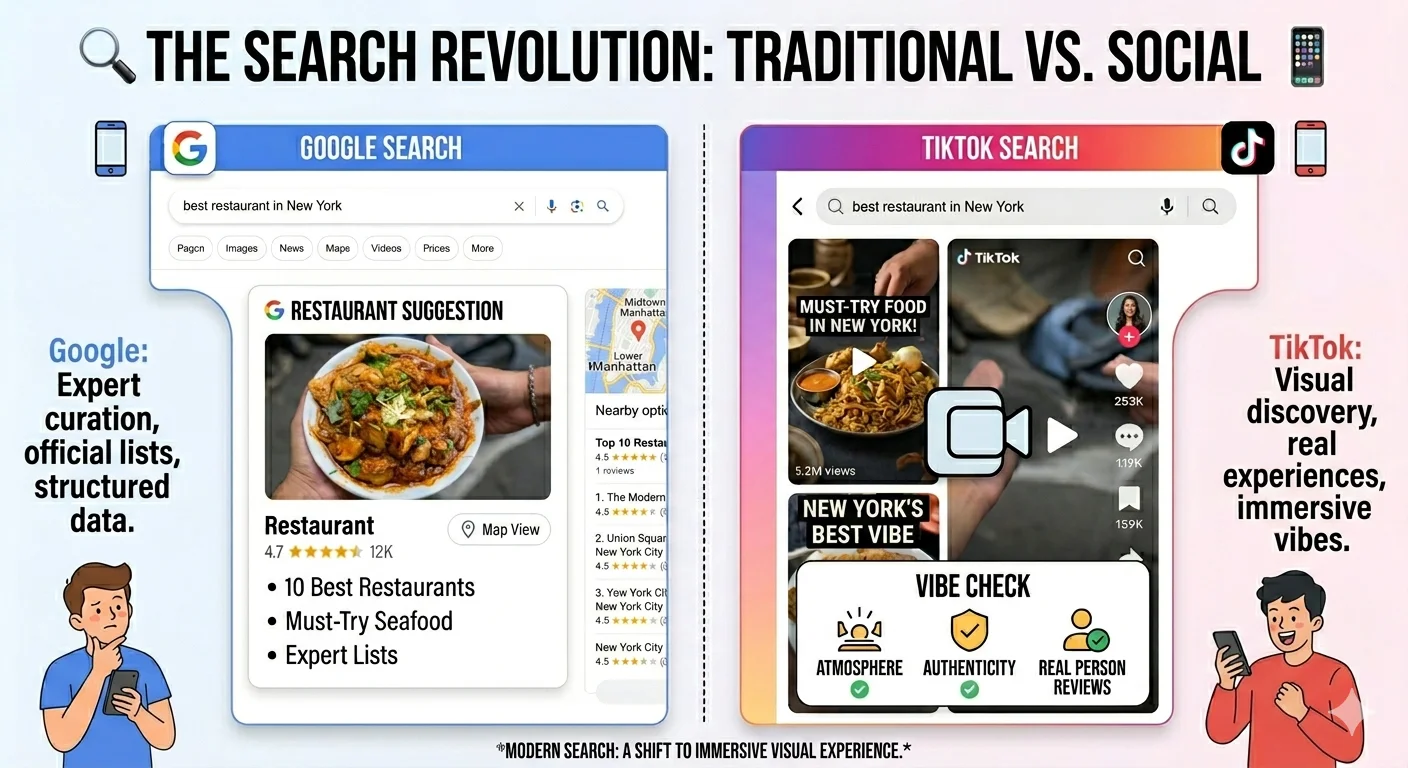
One of the most significant behavioral shifts in 2026 is how people search for information.
Instead of turning to traditional search engines, users—especially younger audiences—are going directly to platforms like:
- TikTok
- YouTube
Why?
Because social content offers:
- Visual demonstrations
- Real user experiences
- Faster, more relatable insights
For example:
Instead of reading a blog about a restaurant, users prefer watching a quick video review. Instead of reading a product description, they watch creators using it in real life.
This means content is no longer just for engagement it must also be discoverable content.
Brands now need to think like SEO experts for social media—also known as social media SEO.
AI Is Everywhere – But Trust Is Fragile
Artificial intelligence is now deeply embedded in social media ecosystems.
It’s being used for:
- Writing captions
- Generating ad creatives
- Editing videos
- Creating entire campaigns
Advanced tools like Sora AI video generation are producing content that looks nearly indistinguishable from real footage.
However, this rapid adoption has created a new challenge: trust.
Consumers are becoming more aware of AI-generated content, and many are skeptical of it. When people feel content is artificial or manipulative, they disengage.
The key insight here is balance.
The most successful brands are:
- Using AI for marketing automation behind the scenes
- Maintaining a human brand voice in public-facing content
Micro-Dramas: The Rise of Scroll-Based Storytelling
A surprising breakout trend in 2026 is the explosion of short-form video content and micro-dramas.
These are:
- Short-form episodic videos
- Typically under 3 minutes
- Designed for mobile-first consumption
Unlike traditional content, micro-dramas focus on storytelling:
- Emotional hooks
- Cliffhangers
- Relatable characters
This format works because it aligns perfectly with how people consume content today quick, engaging, and continuous.
For brands, this opens a powerful opportunity:
Instead of just promoting products, they can use brand storytelling to build deeper audience connections.
Community Over Reach: A Strategic Shift
For years, success on social media was measured by:
- Follower count
- Reach
- Impressions
But in 2026, these metrics are becoming less meaningful.
Why?
Because users are overwhelmed by content. They scroll quickly, ignore most posts, and engage selectively.
As a result, the focus is shifting toward:
- Meaningful engagement
- Strong communities
- Loyal audiences
Brands are now prioritizing:
- Fewer but high-quality content posts
• Content that sparks engagement and conversation
• Content worth saving and sharing
The goal is no longer to reach everyone—it’s to deeply connect with the target audience.
Conclusion: Winning in the Age of the Human Algorithm
Social media in 2026 is not just evolving—it’s being completely redefined.
We are living in a time where:
- AI is making content creation faster and easier
- Platforms are becoming search engines
- Engagement is shifting from public to private
- And authenticity is becoming the most valuable currency
For brands and creators, this creates both opportunity and complexity.
Success today requires more than just posting regularly. It demands:
- A deep understanding of audience behavior
- The ability to adapt to platform changes
- A balance between automation and human connection
This is where having the right strategy and the right partner makes all the difference.
At Matrix Bricks, we specialize in helping brands navigate this rapidly changing landscape. As a forward-thinking social media marketing agency, we stay ahead of trends, platform updates, and algorithm changes so you don’t have to.
From building authentic content strategies to leveraging AI in digital marketing responsibly and maximizing platform-specific growth strategies, our approach is always:
- Data-driven
- Creative
- And future-ready
Whether you’re a growing brand or an established business, staying relevant in 2026 means staying agile and staying informed.
Let Matrix Bricks help you turn trends into tangible growth.
Frequently Asked Questions
1. Is social media really replacing search engines in 2026?
Yes—especially for younger audiences.
Platforms like TikTok, Instagram, and YouTube are increasingly being used as discovery tools.
Users prefer:
- Watching quick videos instead of reading long articles
- Seeing real experiences instead of static information
- Getting instant, algorithm-driven recommendations
While traditional search engines still matter, social search is becoming the first step in decision-making.
2. How can brands stay authentic while using AI?
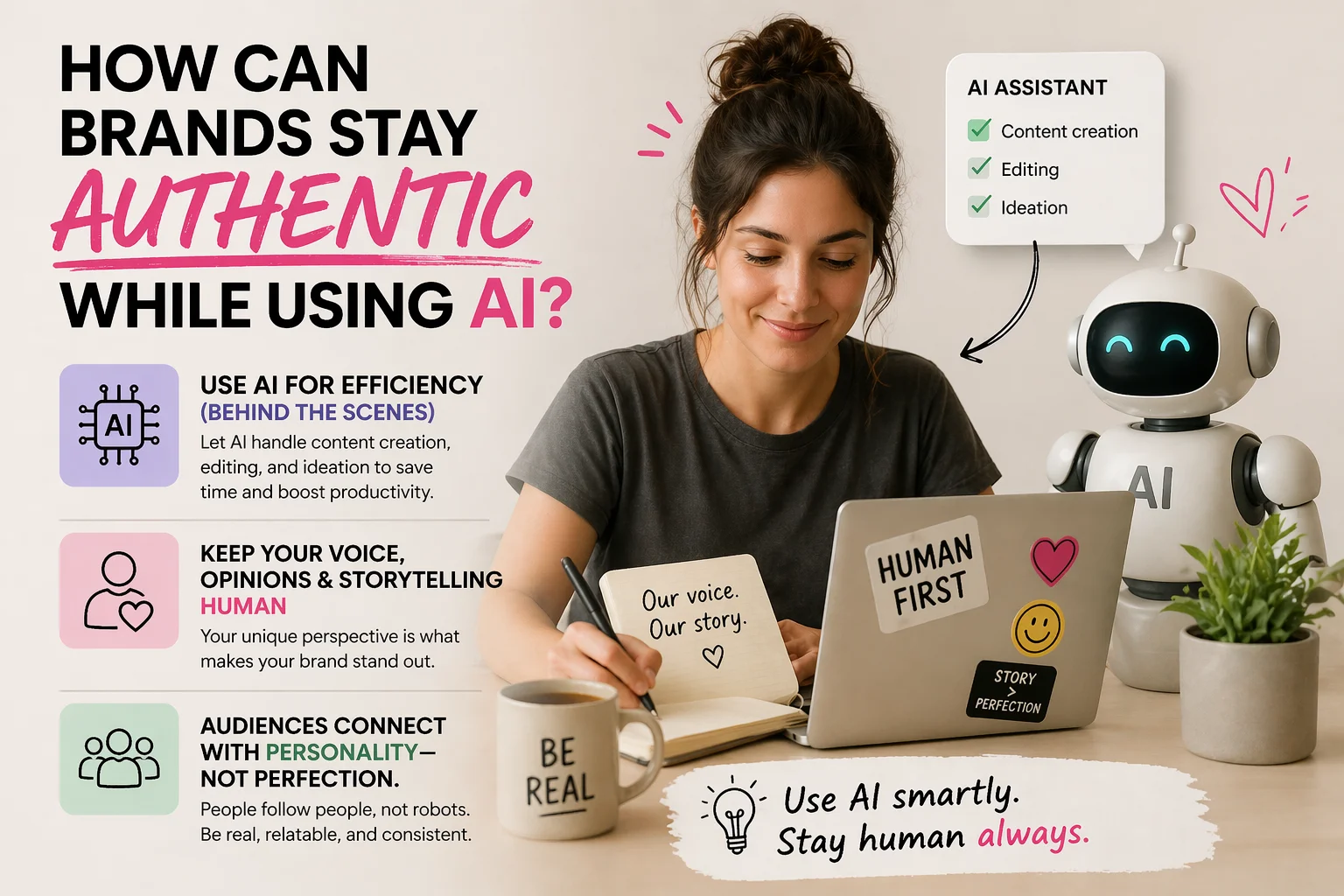
This is one of the biggest challenges in 2026.
AI tools (like Sora) can help with:
- Content creation
- Editing
- Ideation
But overusing AI can make content feel robotic or impersonal.
The best approach is:
- Use AI for efficiency (behind the scenes)
- Keep your voice, opinions, and storytelling human
Audiences connect with personality—not perfection.
3. Why is engagement dropping on some platforms?
Engagement isn’t exactly “dropping”—it’s changing form.
Instead of:
- Public comments
- Open discussions
Users are now:
- Sharing content privately (DMs, groups)
- Saving posts for later
- Consuming passively
Platforms like X and even Instagram are seeing this shift.
This means brands should focus on:
- Shareable content
- Valuable content
- Emotion-driven storytelling
4. What type of content performs best in 2026?
The top-performing content today is:
- Authentic and unfiltered
- Short-form video
- Story-driven (like micro-dramas)
- Educational but easy to consume
Platforms like TikTok reward:
- Relatability
- Creativity
- Consistency
Highly polished content is no longer enough—it needs to feel real.
5. Should businesses still invest in Instagram in 2026?
Yes—but with a different strategy.
Instagram is shifting toward:
- Private sharing (Stories, Notes)
- Community interaction
- Creator monetization tools
It’s still valuable for:
- Brand building
- Visual storytelling
- Customer relationships
But it’s no longer the top platform for reach—that belongs to TikTok.
6. What are micro-dramas and why are they trending?
Micro-dramas are:
- Short, episodic videos (1–3 minutes)
- Designed for mobile viewing
- Built around storytelling and emotion
They’re trending because:
- They match short attention spans
- They create binge-worthy experiences
- They feel more engaging than traditional posts
For brands, this is a huge opportunity to move from advertising → storytelling.
7. How important is TikTok for growth right now?
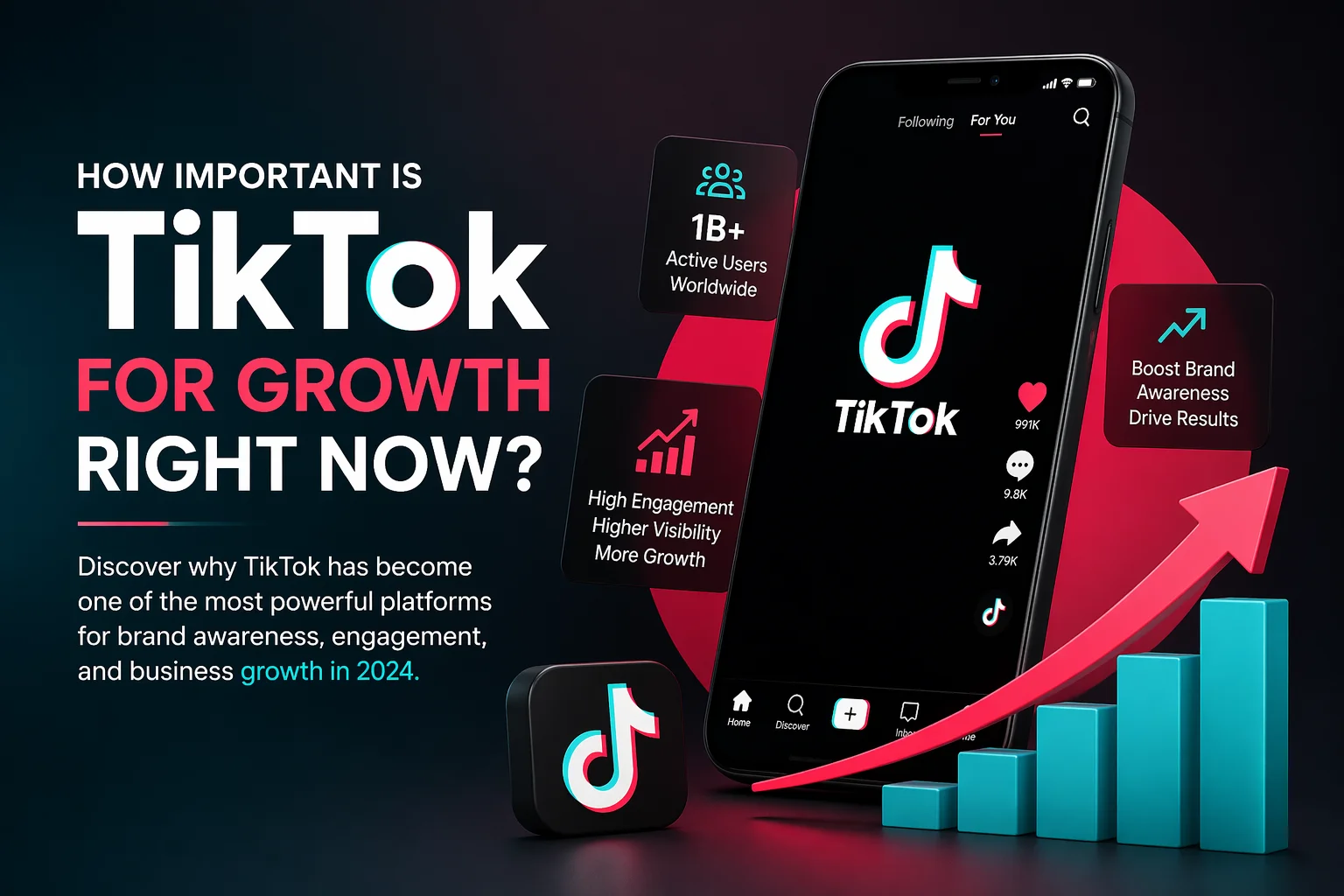
Extremely important.
TikTok currently leads in:
- Engagement
- Discoverability
- Content virality
Even small accounts can reach large audiences due to its algorithm.
If you’re not using TikTok in 2026, you’re likely missing:
- Organic reach
- Faster growth opportunities
- Younger audiences
8. Are social media regulations affecting businesses?
Yes, and the impact is growing.
Governments are introducing:
- Age restrictions
- Data privacy laws
- Algorithm transparency requirements
This means businesses must:
- Be more transparent
- Handle data responsibly
- Adapt to platform policy changes
Regulation is no longer optional—it’s becoming a core part of strategy.
9. What does “community over reach” actually mean?
It means focusing on depth instead of scale.
Instead of trying to reach millions, brands should aim to:
- Build loyal followers
- Encourage interaction
- Create meaningful conversations
A smaller, engaged audience is far more valuable than a large, passive one.
10. What is the biggest mistake brands should avoid in 2026?
The biggest mistake is:
Chasing trends without understanding audience behavior
Many brands:
- Copy viral formats
- Overuse AI
- Focus only on visibility
But success in 2026 comes from:
- Authenticity
- Consistency
- Understanding your audience deeply