





 India
India  UK
UK  UAE
UAE 
Trust Is the New Growth Engine
Imagine investing thousands of dollars into demand generation campaigns, content marketing, SEO, paid media, and product innovation, only to lose customer trust because of a data breach.
For many enterprise technology brands across the USA, this is no longer a hypothetical scenario. Buyers are becoming more cautious. Procurement teams are asking tougher security questions. Compliance requirements are growing. At the same time, marketing teams are under pressure to generate more qualified leads and accelerate revenue growth.
This is where the relationship between cybersecurity and marketing is changing.
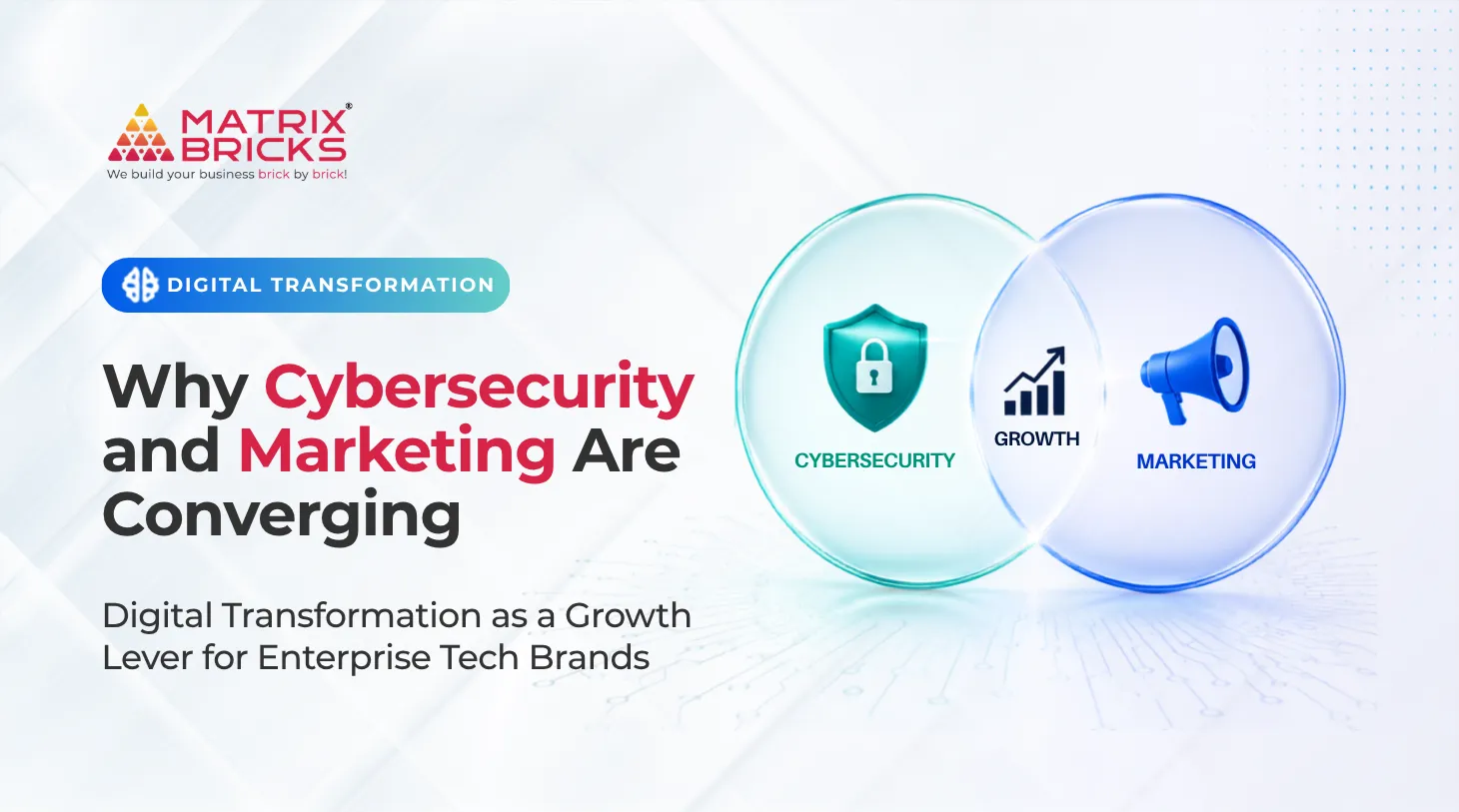
Today, security is no longer just an IT responsibility. It has become a business differentiator that influences brand perception, customer acquisition, retention, and long-term growth. As organizations embrace digital transformation, cybersecurity is emerging as a powerful tool that supports business development and market positioning.
Enterprise leaders are increasingly focusing on:
- Building customer trust through transparent security practices
- Using cybersecurity credentials to strengthen brand reputation
- Integrating security messaging into go-to-market strategies
- Supporting growth initiatives with secure digital experiences
- Aligning marketing, technology, and risk management teams
The companies that understand this convergence are gaining a competitive advantage. Those that ignore it risk falling behind.
Why Cybersecurity Is No Longer Just an IT Issue
A decade ago, cybersecurity conversations largely happened in server rooms and board meetings. Marketing teams rarely participated.
Today, the situation is very different.
Enterprise buyers want to know how their data is stored, processed, and protected before signing contracts. Security assessments have become a standard part of the purchasing process, especially in industries such as healthcare, finance, manufacturing, SaaS, and professional services.
When customers evaluate a technology provider, they are evaluating more than features and pricing. They are evaluating trust.
The New Buyer Journey Includes Security
Modern B2B buyers often ask questions such as:
- Does the vendor comply with industry regulations?
- How secure is the platform?
- What security certifications does the company hold?
- How quickly can incidents be detected and resolved?
- What data protection measures are in place?
These questions directly impact marketing performance and sales conversions.
A strong security posture helps reduce friction in the buying process, while security concerns can delay or completely stop a deal.
Get Your Free Consultation!
Connect with our team to improve visibility, unlock growth opportunities, and build strategies tailored to your business goals.
The Rise of Security-Led Brand Positioning
Some of the world’s most successful technology companies have already recognized the value of security as a marketing asset.
Major technology companies such as Microsoft, Cisco, and CrowdStrike consistently showcase their cybersecurity capabilities through customer communications, marketing campaigns, product announcements, and industry thought leadership.
Why?
Because security has become part of the brand story.
Customers are more likely to engage with organizations that demonstrate responsibility, transparency, and resilience.
Security Messaging Creates Competitive Differentiation
When two vendors offer similar products, trust often becomes the deciding factor.
Better Customer Confidence
Security certifications, compliance achievements, and proactive risk management reassure buyers that their information is protected.
Higher Conversion Rates
Prospects are more comfortable moving through the sales funnel when security concerns are addressed early.
Stronger Brand Reputation
Organizations known for protecting customer data often enjoy higher customer loyalty and positive market perception.
How Digital Transformation Is Connecting Marketing and Security
Digital transformation is changing how businesses operate, engage customers, and deliver services.
Cloud platforms, AI tools, customer data platforms, marketing automation software, and data analytics solutions have created incredible opportunities for growth. However, they have also expanded the attack surface.
This means marketing and cybersecurity teams can no longer operate independently.
| Business Area | Marketing Focus | Security Focus |
|---|---|---|
| Customer Data | Personalization | Data Protection |
| Marketing Automation | Campaign Efficiency | Access Controls |
| Website Experience | User Engagement | Threat Prevention |
| Analytics | Customer Insights | Privacy Compliance |
| AI Adoption | Growth Optimization | Risk Management |
The table illustrates why collaboration has become essential. Every digital experience relies on both customer engagement and security protection.
As organizations invest in digital transformation marketing, secure infrastructure becomes the foundation that enables sustainable growth.
The Emerging Cybersecurity Marketing Strategy
Forward-thinking organizations are demanding a modern cybersecurity services that integrates trust, transparency, and security into customer-facing communications.
Instead of treating security as a technical checklist, they position it as a business value.
What a Strong Cybersecurity Marketing Strategy Looks Like
Security as a Trust Signal
Organizations actively communicate their commitment to protecting customer information. This can include compliance certifications, privacy initiatives, secure development practices, and risk management frameworks.
Security-Focused Content Marketing
Educational content helps prospects understand how security impacts their business operations.
Examples include:
- Security-focused webinars
- Compliance guides
- Threat intelligence reports
- Data privacy resources
- Industry security benchmarks
Executive Thought Leadership
Technology leaders increasingly discuss cybersecurity alongside innovation, digital transformation, and customer experience.
This positions the organization as both innovative and responsible.
Why Enterprise Tech Brands Are Investing in Security-Driven Growth
Enterprise technology companies are facing a unique challenge.
They must innovate quickly while maintaining trust at scale.
A security breach can damage years of brand building efforts overnight. On the other hand, strong cybersecurity capabilities can become a significant revenue driver.
Consider These Market Realities
- Customers expect secure digital experiences.
- Regulatory scrutiny continues to increase.
- Third-party risk assessments are becoming more common.
- Data privacy concerns influence buying decisions.
- Cyber threats continue to evolve rapidly.
Because of these factors, security investments are no longer viewed solely as operational expenses.
They are growth enablers.
This shift is helping enterprise tech grow in a more sustainable and resilient way.
The Business Benefits of Marketing and Cybersecurity Alignment
When security and marketing teams collaborate, the impact extends across the entire organization.
Increased Customer Trust
Trust accelerates decision-making. Customers who feel confident about data protection are more likely to engage, purchase, and renew contracts.
Faster Sales Cycles
Security documentation and transparent communication reduce procurement delays. Sales teams spend less time addressing concerns late in the buying process.
Improved Customer Retention
Organizations that consistently demonstrate strong security practices often experience higher retention rates because customers feel safer staying with the brand.
Stronger Market Positioning
A company known for both innovation and security stands out in crowded markets.
Practical Steps Enterprise Leaders Can Take
Many organizations understand the opportunity but struggle with implementation.
The good news is that alignment does not require a complete organizational overhaul.
Start With Shared Objectives
Marketing, cybersecurity, compliance, and IT teams should define common business goals.
Examples include:
- Improving customer trust metrics
- Increasing conversion rates
- Supporting compliance initiatives
- Enhancing customer experience
- Reducing security-related sales objections
Build Security Into Customer Communications
Security should appear naturally throughout the customer journey.
This includes:
- Website messaging
- Product pages
- Sales presentations
- Proposal documents
- Customer onboarding materials
Use Security Achievements as Proof Points
Instead of hiding security behind technical documents, make it part of the value proposition.
Relevant examples include:
- Compliance certifications
- Audit results
- Data protection programs
- Security training initiatives
- Incident response readiness
Measure Business Impact
Track metrics that connect security investments to business outcomes.
| Security Initiative | Business Impact |
|---|---|
| Compliance Programs | Faster Deal Closures |
| Security Certifications | Higher Buyer Confidence |
| Data Protection Investments | Improved Customer Retention |
| Risk Assessments | Reduced Procurement Delays |
| Security Awareness Programs | Stronger Brand Reputation |
The Future Belongs to Trusted Brands
The next phase of digital transformation will not be defined solely by AI, automation, cloud adoption, or emerging technologies.
It will be defined by trust.
Enterprise buyers want innovation, but they also want confidence.
They want personalized experiences without sacrificing privacy. They want advanced digital services without increasing risk. They want partners who understand both growth and security.
This is why cybersecurity and marketing are converging.
The organizations that successfully align these functions will build stronger customer relationships, create more resilient brands, and unlock new growth opportunities in increasingly competitive markets.
As digital ecosystems become more connected, security will become one of the most powerful differentiators available to enterprise technology companies.
Ready to Turn Security into a Growth Advantage?
If your organization is investing in digital transformation but cybersecurity and marketing still operate in separate silos, now is the time to rethink your strategy. The brands winning today are not simply the most innovative. They are the most trusted. Connect your growth initiatives with a security-first mindset and create a competitive advantage that customers can see, value, and trust. Reach out to Matrix Bricks today to build a future-ready strategy that drives measurable business growth while strengthening your digital resilience.
Frequently Asked Questions
Cybersecurity directly impacts buyer confidence during the decision-making process. Strong security practices help prospects feel comfortable sharing information and doing business with a company. Effective brand trust strategies can significantly improve acquisition efforts.
Key factors include:
- Security transparency helps reduce buyer hesitation.
- Compliance credentials strengthen business credibility.
- Protected digital experiences improve customer confidence throughout the sales journey.
As organizations adopt cloud technologies, automation, and connected platforms, security becomes critical to protecting business operations. A robust enterprise security framework helps support transformation initiatives while reducing risk.
Important considerations include:
- Secure cloud environments protect sensitive business data.
- Integrated security controls support operational continuity.
- Risk management helps maintain customer trust during transformation projects.
Data privacy concerns, regulatory requirements, and increasing cyber threats have made security a top business priority. Strong data protection practices help organizations address these concerns effectively.
Common buyer priorities include:
- Understanding how information is collected and stored.
- Evaluating vendor risk management capabilities.
- Reviewing compliance and governance standards.
Yes. Organizations known for protecting customer information often earn stronger trust and loyalty. A well-executed digital trust strategy can positively influence brand perception.
Reputation benefits include:
- Increased customer confidence.
- Greater stakeholder trust.
- Stronger competitive positioning in crowded markets.
Collaboration helps create consistent messaging around trust, compliance, and customer protection. An effective customer experience strategy ensures both growth and security objectives work together.
Advantages include:
- Faster sales cycles.
- Improved lead quality.
- Reduced objections during procurement processes.